Wondering if you can really enjoy St. Augustine without spending the whole weekend in your car? In downtown St. Augustine, you can. If you love places where coffee, history, art, waterfront views, and dinner are all within a comfortable walk, this guide will help you picture what a walkable weekend here actually feels like. Let’s dive in.
Why downtown St. Augustine works on foot
Downtown St. Augustine is built for walking in a way that feels rare in Florida. The city describes the Old City as extremely walkable, notes a walk score of 85 out of 100, and says most streets have sidewalks. That matters when you want a weekend that feels easy instead of overplanned.
There is also a practical reason the area feels this way. The street network was designed for foot traffic, horses, and carriages long before modern cars arrived. Today, that creates a more intimate downtown experience, even if it also means parking can be limited.
The easiest approach is simple: park once and explore on foot. The city points visitors to the Historic Downtown Parking Facility next to the Visitor Information Center, and a free STAR Circulator loops through downtown if you want a break from walking.
What makes the historic core special
Downtown St. Augustine is not just compact. It is shaped by centuries of history. The city says St. Augustine was founded in 1565 and remains the oldest continuously occupied settlement of European and African American origin in the United States.
As you walk, you can still feel that history in the layout. Narrow streets, balconies, and the overall town plan reflect Spanish design from the late 1500s. That is a big part of why downtown feels different from a typical beach town or modern Florida main street.
Instead of moving from one large parking lot to the next, you move through plazas, side streets, storefronts, and waterfront edges that connect naturally. The experience feels less like checking off attractions and more like settling into a neighborhood rhythm.
Saturday morning in the historic district
A great downtown weekend starts slowly. Begin with coffee and a relaxed walk through the historic core, when the streets still feel calm and the details of the buildings stand out.
One official downtown stop is Crucial Coffee Cafe on Charlotte Street, located in a former blacksmith shop. It is the kind of place that fits the tone of the area: local, historic, and easy to reach on foot.
From there, let your route stay flexible. Downtown works best when you leave room to wander a little, especially around the central streets where shops, restaurants, and historic landmarks sit close together.
St. George Street for a classic stroll
St. George Street is one of the anchors of any walkable weekend in downtown St. Augustine. Florida’s Historic Coast describes it as pedestrian-only and lined with historic landmarks, boutique shops, art galleries, and restaurants.
That pedestrian setup changes the pace of your day. Without regular vehicle traffic moving through, it feels easier to stop, browse, and notice the small details. You can take your time without feeling rushed from one destination to the next.
If you are trying to understand the appeal of downtown living, this street tells a big part of the story. It shows how daily life here can revolve around walkable access to cafés, shops, and public spaces instead of a car-first routine.
Aviles Street for art and a slower pace
If St. George Street is the lively spine of downtown, Aviles Street offers a quieter counterpoint. The tourism office describes it as the oldest street in the nation and notes its mix of galleries, museums, independent restaurants, cafés, and outdoor seating.
This is a good place to spend part of Saturday afternoon. You can browse art, pause for lunch or dessert, and enjoy a slower block-by-block pace. The street has a small-scale feel that makes downtown St. Augustine especially memorable.
For many buyers, this is also where the lifestyle connection becomes clearer. Walkable streets with local businesses and outdoor seating can make a historic district feel livable, not just visitable.
Plaza de la Constitución as a natural pause point
Every great walking district needs a center, and Plaza de la Constitución fills that role in downtown St. Augustine. It is described as the oldest public space in America, laid out in 1573, and it remains a gathering place in the middle of the Historic District.
The plaza sits between Cathedral Place and King Street, making it a natural place to pause as you move between shopping streets and the waterfront. It helps tie the downtown experience together.
Whether you sit for a few minutes or simply pass through, the plaza gives the weekend a sense of place. It is one of those landmarks that feels useful as well as historic.
Saturday evening by the bayfront
By evening, it makes sense to drift toward the plaza or the water. The bayfront adds another layer to downtown, where views and breezes become part of the experience.
The Avenida Menendez seawall is a waterfront promenade, and the city’s harbor planning materials note that Matanzas Bay, with sailboats at anchor, is part of St. Augustine’s character. That backdrop can turn a simple walk into one of the best parts of the weekend.
If you choose dinner near the water, the setting does a lot of the work. The bayfront shows why downtown St. Augustine appeals to people who want history, walkability, and coastal atmosphere in one place.
Sunday morning with waterfront views
Sunday should feel slower. A seawall walk, marina views, or a bridge-side stroll can give you a quieter look at downtown before the day picks up.
This is also when you may notice how connected everything feels. The waterfront is not isolated from the historic core. It is part of the same walk-first environment, close enough to blend naturally into the rest of your weekend.
For people thinking beyond a visit, that matters. It suggests a lifestyle where morning walks, coffee runs, and time outside can all fit into the same compact setting.
How nearby neighborhoods shape the lifestyle
One of the most useful things to understand about downtown St. Augustine is that the historic core is surrounded by residential districts, not towers or large suburban-style development. The city’s preservation updates list Lincolnville, the St. Augustine Town Plan Historic District, Model Land and Company, North City, Abbott Tract, Nelmar Terrace, and Fullerwood Park Residential as National Register historic districts.
Lincolnville sits directly southwest of downtown and is described by the city as the principal historic Black neighborhood. Flagler Model Land is immediately west of downtown and is described in city materials as essentially residential in nature. Abbott Tract, north of Castillo de San Marcos, is described as overwhelmingly residential.
Those details help explain why downtown can feel both active and livable. You are not just visiting a tourist center. You are moving through a historic core that connects closely to neighborhood-scale residential streets.
For buyers who want downtown access
Not every buyer wants to live right in the middle of the busiest blocks, but many want to stay close to the energy. In St. Augustine, nearby neighborhoods can offer that balance.
If you like the downtown vibe but want to think a little wider, West Augustine is another nearby option. St. Johns County says the district is about two miles west of downtown and is intended to support mixed-use development in a pedestrian- and bicycle-friendly environment.
That kind of context matters when you are comparing lifestyles. Some buyers want to be steps from the historic core, while others want a little more room with easy access to downtown on foot, by bike, or with a short drive.
A practical note on parking and crowds
Because downtown was not built for modern traffic patterns, parking takes a little planning. The city is clear that parking is limited, which is another reason the park-once approach works so well.
There is also a useful lifestyle clue in the city’s seasonal resident-only parking rules during Nights of Lights. Flagler Model Land, Abbott Tract, and Uptown receive resident-only parking protections during peak crowd periods, which highlights how closely these neighborhoods connect to downtown’s busiest pedestrian routes.
For some people, that level of proximity is a major advantage. For others, it is a reminder to think carefully about how much activity they want nearby during popular seasons.
Why this weekend says something about living here
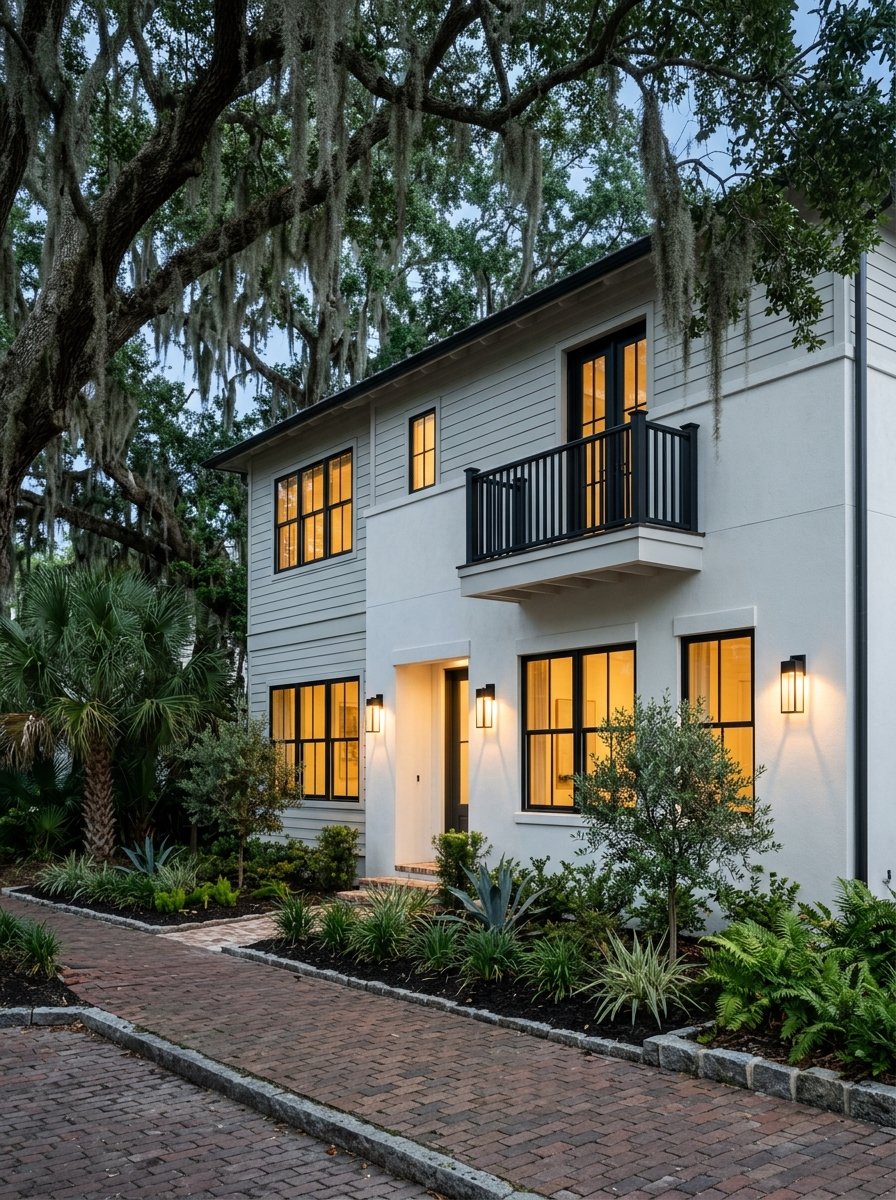
A walkable weekend in downtown St. Augustine is fun on its own, but it also reveals something deeper about the area. This is a low-rise, historic, walk-first environment where cafés, galleries, plazas, and waterfront paths are part of daily life.
That is a meaningful difference in a region where many communities are more car-dependent. If you are drawn to places with texture, public spaces, and neighborhood character, downtown St. Augustine offers a strong example of what that can look like.
For buyers, second-home shoppers, and anyone planning a move within St. Johns County, weekends like this can help clarify what kind of setting feels right. Sometimes the best way to understand a neighborhood is simply to walk it.
If you are exploring the St. Augustine lifestyle and want neighborhood-level guidance from a local team, The Newcomer Group is here to help you take the next step.
FAQs
What makes downtown St. Augustine easy to walk?
- The city describes the Old City as extremely walkable, gives it a walk score of 85 out of 100, and notes that most streets have sidewalks.
Where should you park for a downtown St. Augustine weekend?
- A practical option is the Historic Downtown Parking Facility next to the Visitor Information Center, which is within walking distance of major downtown landmarks.
What streets should you visit in downtown St. Augustine?
- St. George Street is a key pedestrian-only corridor, while Aviles Street offers galleries, museums, cafés, restaurants, and outdoor seating in a quieter setting.
What is the role of Plaza de la Constitución in downtown St. Augustine?
- The plaza is described as the oldest public space in America and serves as a central gathering place between the shopping streets and the waterfront.
Which neighborhoods are closest to downtown St. Augustine?
- Nearby historic districts include Lincolnville, Flagler Model Land, Abbott Tract, North City, Nelmar Terrace, Fullerwood Park Residential, and the St. Augustine Town Plan Historic District.
Is there a nearby option if you like downtown St. Augustine but want a different setting?
- West Augustine is about two miles west of downtown and is intended by St. Johns County to support mixed-use development in a pedestrian- and bicycle-friendly environment.