Florida is a tropical paradise bursting with biodiversity. There’s so much more to be found than miles of gorgeous beaches, hundreds of years of history and enough restaurants to keep foodies entertained for the rest of their lives. While you’re catching the breaks in the Atlantic Ocean, the sunshine is pouring down making all of your wildest gardening dreams come true!
The first step to cultivating a new garden in Florida is asking yourself a relatively simple question: What type of garden do I want?
Thanks to Florida’s humid subtropical climate—specifically Zone 9 for those of us lucky enough to live in Northeast Florida—there are plenty of options to choose from. You can grow your own fruits and vegetables, curate a variety of gorgeous flowers, or even choose to support local wildlife by planting your own garden refuge.
Each garden will have unique requirements, so follow along to find out which native plants are best for you!
Florida Food Garden
Florida is one of the best places in the United States to grow your own food.
Here’s the basics: you want your plants to get plenty of sunlight, at least six hours per day. With 237 days of sunshine every year, making sure your crops get their daily dose of Vitamin D is as easy as Key Lime Pie. Just make sure to choose a spot in your garden that won’t be blocked by too much shade and is near a source of water.
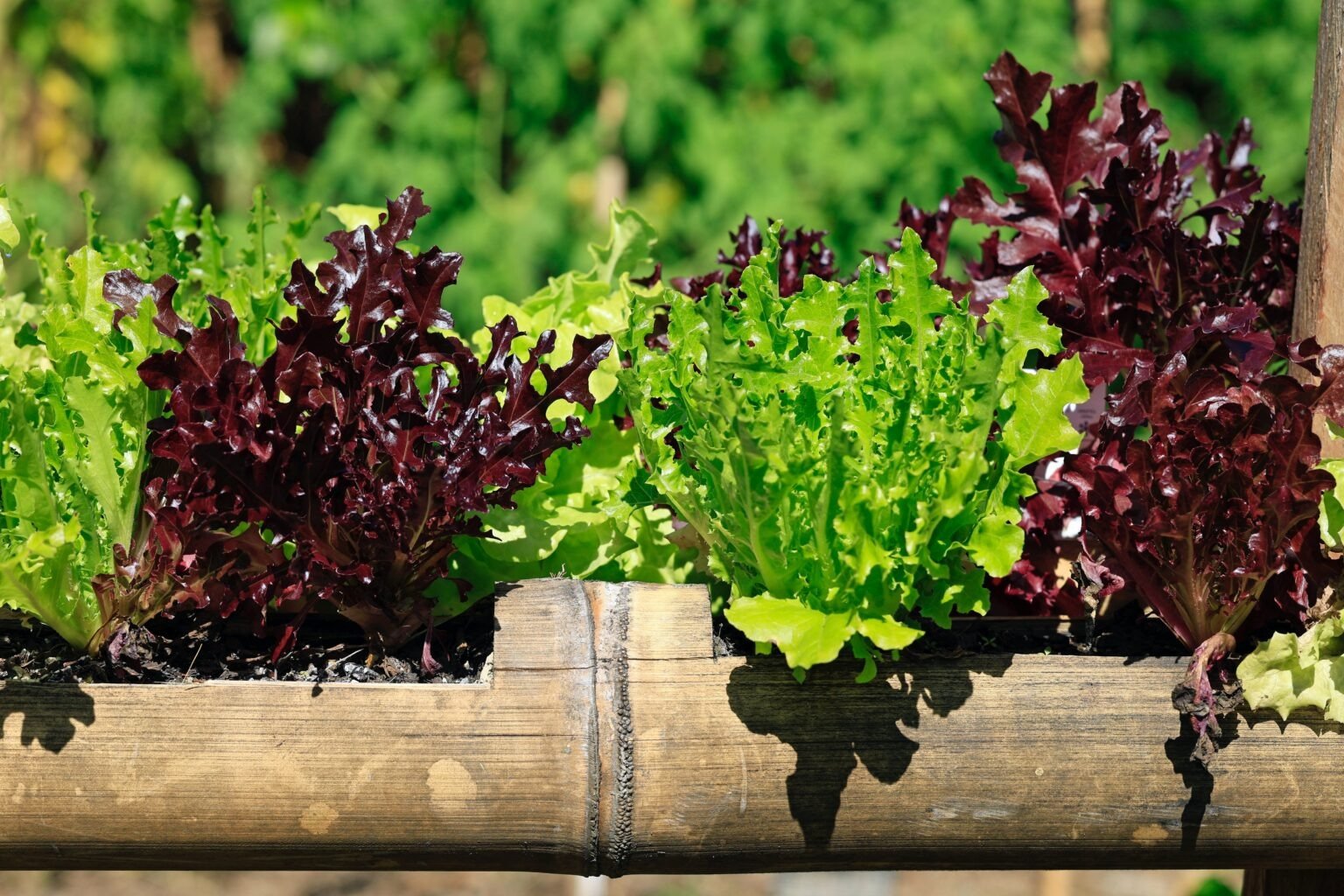
Image Courtesy of David Clode
There are dozens of edible crops that sprout like nobody’s business in the agreeable Florida climate. It may not be quite everything from A-Z, but the list runs from Asparagus all the way down to Watermelon! The University of Florida recommends planting celery, lettuce, sweet corn and more.
Just remember to pay close attention to the seasons. Some plants will fare better in winter months while others prefer the extra water during the rain-filled summer and early fall.
Wildlife Refuge Garden
As we already mentioned, Florida is home to an extreme amount of biodiversity. Rather than working against the natural landscape, work alongside it to cultivate a garden that will support the natural environment!
Fruit trees (oranges, anyone?), nectar flowers and nuts are great examples of food to include in your refuge garden. You will want these plants to be available throughout all seasons to feed local wildlife. Shelter can be made from trees, stumps and rotting logs. Critters will be able to nest in these locations. Traditional grass lawns do not support shelter for wildlife, so it might be a good idea to find a grass substitute for your yard like basketgrass or twinflower. Multispecies lawns are also a great way to increase biodiversity. A water source can be supplied through a pond that is either natural or man made. Small fountains are another easy way to add a water source to your garden.
A wildlife refuge garden will not look like traditional kept gardens, but that’s more than okay. The purpose of these gardens is to let natural biodiversity take over and fill your yard with as many plants it is willing to support. Be sure to avoid the use of pesticides in your garden to keep your wildlife refuge happy and healthy.
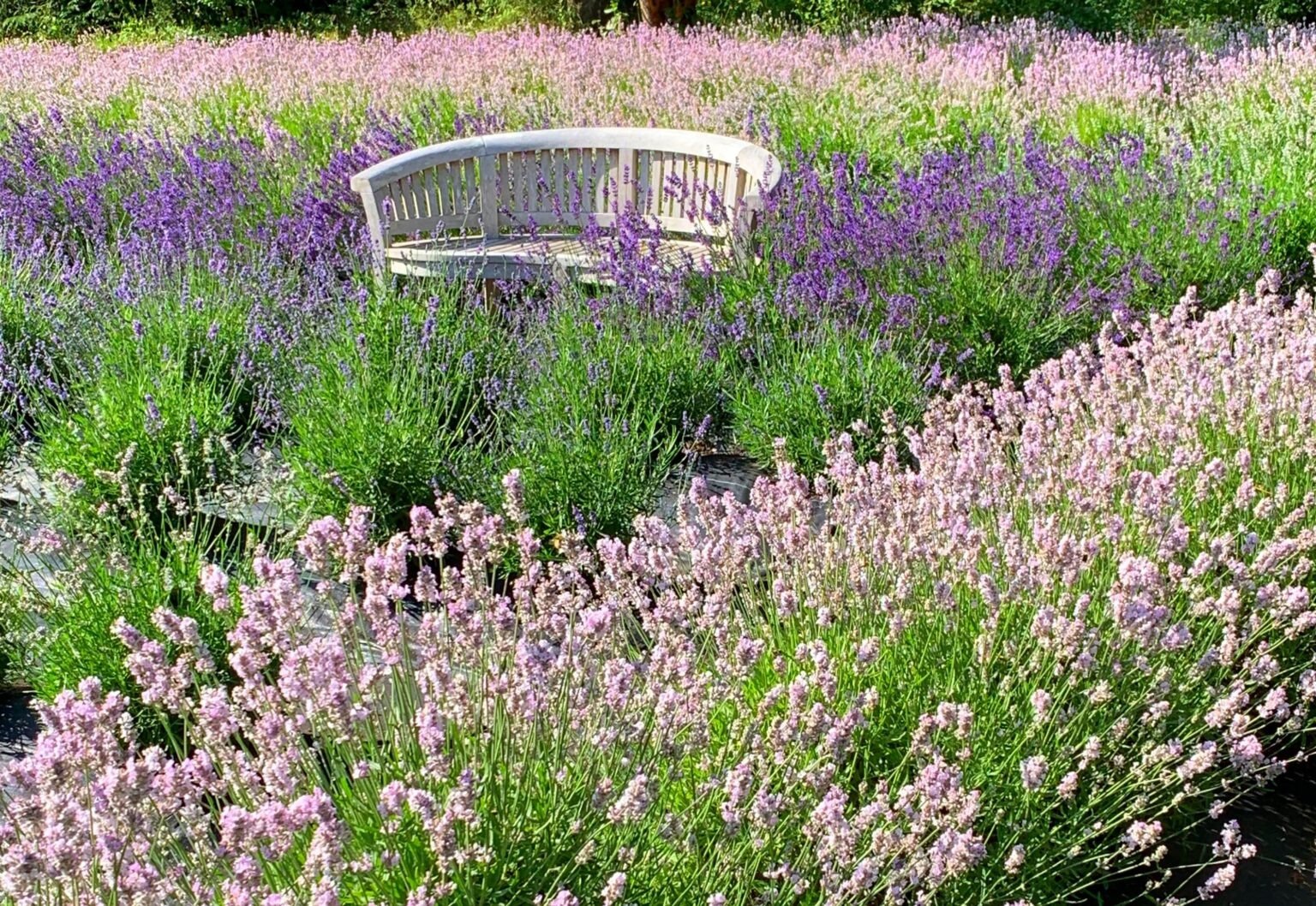
Image Courtesy of Jan Canty
Butterfly Garden
Butterflies are a beautiful and essential insect. They help our environment by pollinating plants and are a sign of a successful garden—why do all the work yourself when you can get the assistance of some winged helpers? To support this creature in your own yard there are only four requirements, food, water, shelter, and larva host plants.
Adult butterflies need nectar from flowers to survive. This will attract and feed adult butterflies. Plants that fall in this category include azaleas, firebush, black-eyed Susan, and butterfly milkweed. There are many more plant varieties that can be planted, as well.
This insect requires water to live and has special drinking requirements. To find out more about how butterflies drink water, the National Wildlife Federation has further information.
Butterflies may not live in houses but they still need shelter. Florida’s extreme temperatures and rain could pose a threat to this insect so include vegetation that provides protection. Coyote brush is a great shelter and food source for butterflies.
Don’t forget to include larva host plants in your garden plan as these native plants are necessary to support the future generations of butterflies. Host plants include Milkweed and Buttonbush, and many more.
A butterfly garden is a beautiful garden for all ages to enjoy. If you’re interested in this garden, the University of Florida has extensive information on this topic to help continue your research.
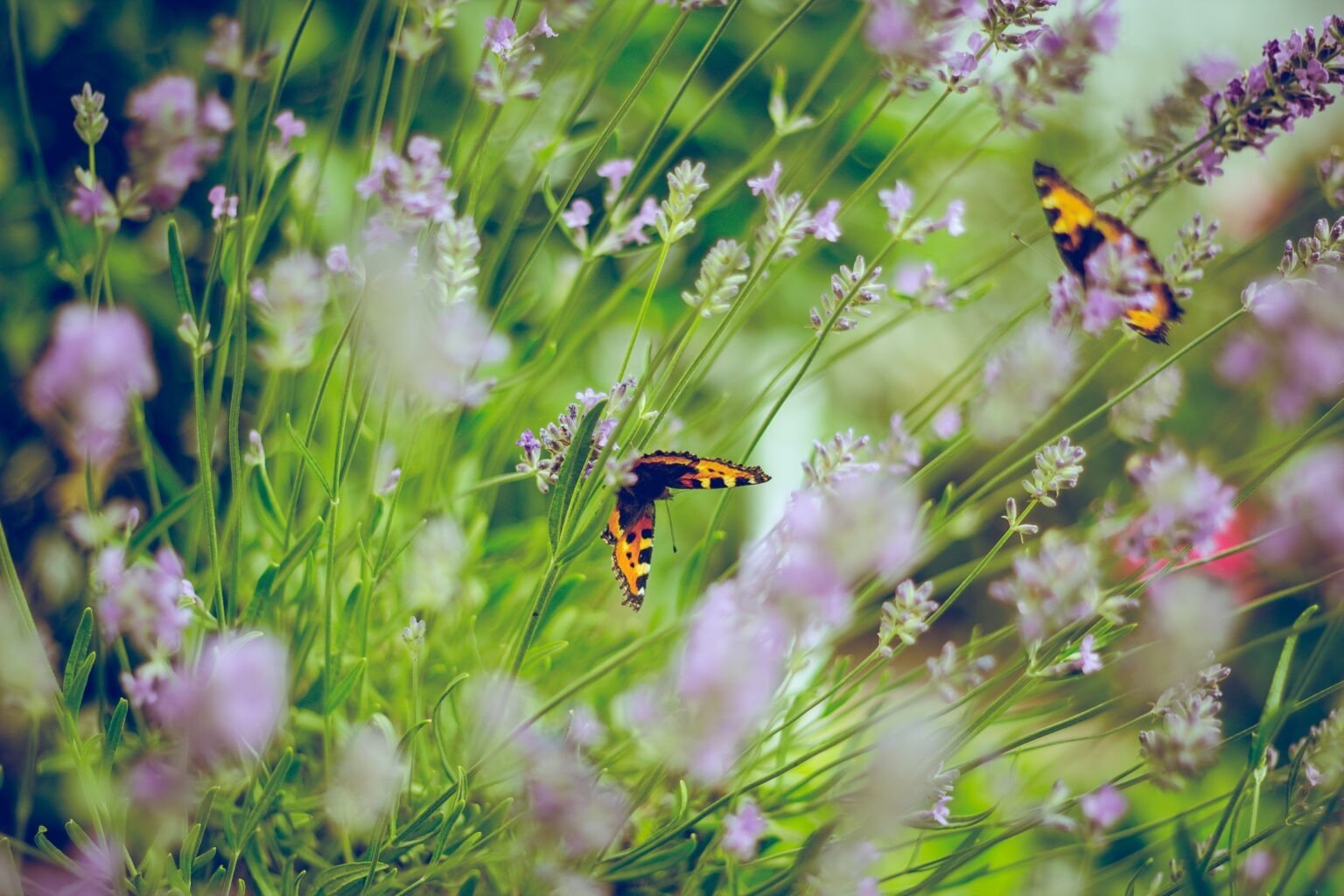
Image Courtesy of Emiel Molenaar
Reminders Before You Plant
Gardening is a lot of fun, but here’s a couple of things to keep in mind before starting your food garden: Florida has unique soil that is unlike most places in the United States. Gardening pros recommend Floridian gardeners seek out seeds that are exclusive to the climate and soil in the Sunshine State. The internet is a great way to find such seeds, websites like FLgardening.com and SouthernSeedExchange.com offer a large variety. Be sure to check soil quality as well to ensure your plants are happy and healthy.
Good luck gardening!