Curious about the architectural gems you see while walking downtown St. Augustine? If you love the character of 32084’s historic streets, understanding the home styles around you can make buying, selling, or simply owning here more rewarding. This primer breaks down the most common styles, what to look for, and the key rules that shape preservation in the city. You will also find practical tips on costs, maintenance, and smart next steps. Let’s dive in.
Why St. Augustine looks the way it does
St. Augustine’s architecture reflects more than 450 years of layered history. The city began in 1565 and grew through Spanish, British, American, and 20th-century periods. That mix created a downtown of Spanish-influenced, Victorian-era, and early modern homes sitting side by side.
Local materials tell part of the story. Coquina, a porous shellstone found nearby, appears in many older structures and foundations. Historic builders also used lime-based mortars and plasters designed to let walls breathe. These materials matter when you plan repairs or upgrades.
Quick guide to downtown home styles
Many downtown homes blend elements from multiple styles. Use these highlights to spot what you are seeing and to plan care that fits the home’s character.
Spanish Colonial / Colonial Spanish
These forms date to early settlement patterns and later adaptations. You will see thick masonry or coquina walls, small and sometimes irregular window openings, and simple shapes. Some examples feature interior courtyards and clay tile roofs in later-influenced iterations.
What to know:
- Coquina is soft and porous. Repairs should use breathable lime-based mortars, not hard modern cement mixes.
- Look for simple massing and minimal trim that fits the home’s understated character.
Spanish Colonial Revival / Mission Revival
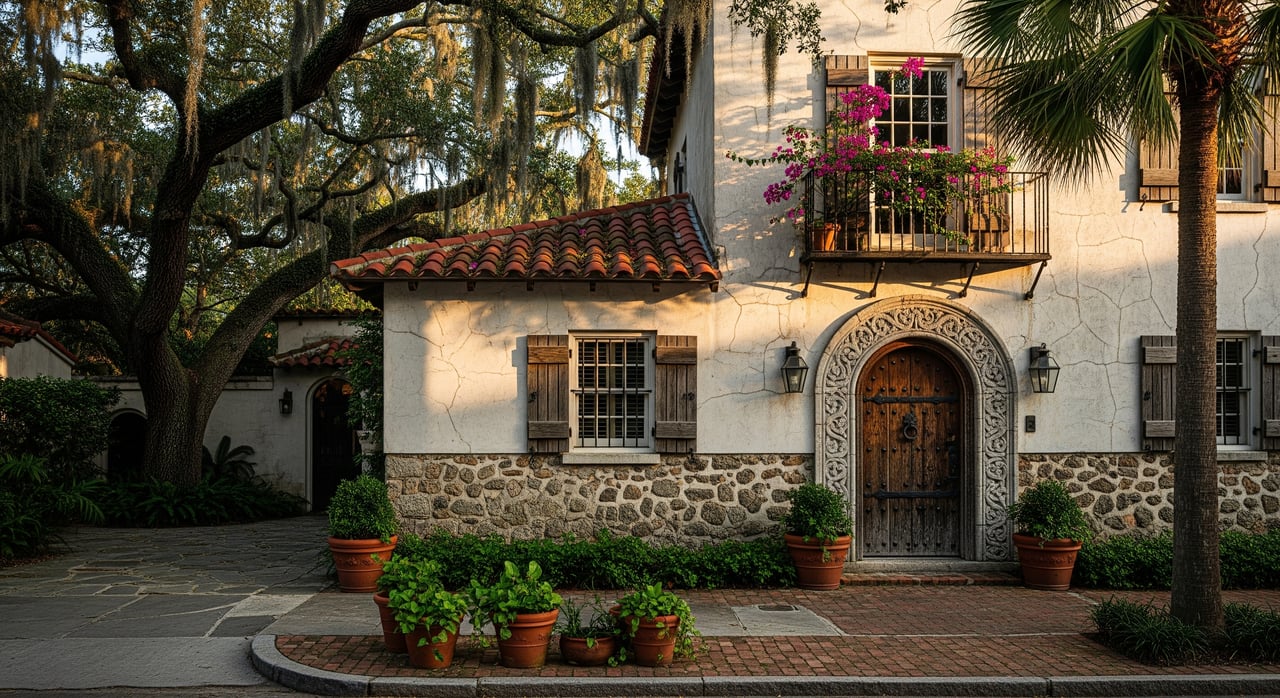
Early 20th-century revivals celebrate Spanish forms with modern convenience. Common cues include white stucco walls, red clay tile roofs, arched openings, and small decorative towers or parapets. Wrought-iron details and recessed entries are typical.
What to know:
- Matching stucco texture and roof tile profiles is key when repairing or replacing materials.
- Details like arches and ironwork are character-defining and often fall under local design guidelines.
Victorian-era: Queen Anne and Folk Victorian
Tourism growth in the late 1800s brought ornate wood architecture. You will notice asymmetrical facades, decorative gingerbread trim, turned posts and spindles, and wraparound porches. Steep roofs and patterned shingles are common.
What to know:
- Historic wood trim can face moisture and termite damage. Skilled carpentry and period-appropriate wood profiles keep the look consistent.
- Expect more maintenance than simpler styles due to the level of detail.
Frame Vernacular / Florida Cracker
These practical homes evolved for Florida’s climate. Look for raised wood-frame construction on piers, wide front porches, and simple gable roofs. Plans emphasize cross-ventilation and shaded outdoor space.
What to know:
- These homes were designed for air flow, not sealed HVAC systems. Upgrades should protect ventilation patterns and historic fabric.
- Porch form and height off grade are important visual elements in reviews.
Bungalow / Craftsman
Early 1900s bungalows offer broad porches and strong rooflines. Hallmarks include low-pitched gables, wide eaves with exposed rafters, and tapered porch columns. Interiors often feature built-ins and natural materials.
What to know:
- Bungalows are popular for combining historic charm with manageable scale.
- Preserve exposed rafter tails and original porch supports when possible.
Neoclassical / Classical Revival
Less common but present downtown, these homes show symmetry and formal proportions. You may see full-height porches and classical columns. Entries are often emphasized with pediments and balanced window placement.
What to know:
- Porch columns and front symmetry are key features to respect during exterior updates.
- Paint and trim color choices should support the crisp lines of the style.
Local materials and details to respect
- Coquina and historic masonry: Favor lime-based mortars and breathable plasters. Hard cement mixes can trap moisture and damage historic fabric.
- Historic woodwork: Rot and pest damage are common. Repair in-kind with matching profiles where feasible.
- Windows: Older wood windows often can be repaired. When replacement is necessary, historically compatible solutions or reversible options like interior storm panels are often preferred.
Preservation rules and what they mean for you
Much of downtown sits within recognized historic districts. A listing on the National Register of Historic Places raises awareness but is generally honorific for private owners unless federal funds or permits are involved. Local historic districts usually carry design guidelines and a review process for exterior changes.
Here is what that means in practice:
- Exterior work visible from a public right-of-way often requires review and a Certificate of Appropriateness before permitting.
- Interior changes are usually less regulated unless the interior has a specific designation.
- Confirm your property’s status. A home might be a local landmark, a contributing building in a district, or simply older by age without formal designation.
- For current rules and maps, contact the City of St. Augustine’s historic preservation office and the local review board. Always verify requirements before you start work.
Costs, insurance, and financing considerations
Historic homes in coastal zones can carry different cost profiles. Insurance premiums may be higher due to wind and flood risk. Wind mitigation features and certain retrofits can affect premiums, so discuss your options with insurers experienced in older properties.
Financing can include extra scrutiny. Lenders may require inspections or reserves for repairs. Appraisals can vary because comparable sales for unique historic homes are sometimes limited.
If federal or state permits or funds are involved in your project, additional historic review may be required. When in doubt, get clarity from the city and relevant state offices before you commit to timelines or budgets.
Buying a historic home: a smart process
Approach your purchase with a plan tailored to older construction.
Your checklist:
- Engage inspectors familiar with historic structures. Ask them to assess foundations, moisture intrusion, termite risk, and roof-to-wall connections.
- Review roofing condition and materials. Replacement may need historically appropriate options that meet wind standards.
- Investigate flood exposure. Confirm FEMA flood maps and any elevation certificate on file.
- Ask for prior permits and Certificates of Appropriateness. A clear paper trail helps your due diligence.
- Evaluate mechanicals. Plan for updates to HVAC, electrical, and plumbing using routes that protect historic walls and finishes.
- If the home has coquina or historic masonry, confirm that past repairs used compatible lime mortars.
Selling a historic home: maximize value
Give buyers confidence with documentation and a crisp presentation.
What to prepare:
- Gather permits, past COAs, and records of repairs or rehabilitation work. Organized documentation supports both value and smooth approvals for future changes.
- Disclose known conditions and any review requirements tied to local designation.
- Highlight character-defining features in photography and marketing. Porches, windows, rooflines, and materials tell your home’s story.
- Correct unpermitted exterior work before listing if possible. Unresolved compliance can slow or complicate closing.
Energy and comfort upgrades that respect history
You can improve comfort and efficiency while preserving character. Start with low-impact measures that do not trap moisture.
Smart upgrades:
- Tune and weatherstrip historic windows. Add interior storm panels where appropriate.
- Improve attic insulation in ways that maintain ventilation paths.
- Upgrade HVAC thoughtfully. Choose routes that avoid cutting historic framing or trim.
- Use breathable materials on masonry so moisture can move and dissipate.
When to bring in specialists
Historic buildings reward experienced hands. Contractors and architects who know coquina, lime mortars, historic woodwork, and local design guidelines can save you time and rework. Ask for portfolios and references for projects in downtown St. Augustine.
Your next step
Whether you are drawn to a quiet Frame Vernacular cottage or a tile-roofed Revival home, understanding style and rules puts you ahead. With the right plan, you can protect historic character, manage costs, and position your property for success. If you would like neighborhood-level guidance or a pricing strategy informed by local demand, reach out to the team at The Newcomer Group. We are ready to help you take the next step.
FAQs
What makes a house “historic” in downtown St. Augustine?
- A home may be a designated local landmark, a contributing building within a local historic district, listed on the National Register, or simply older by age without formal designation. Check city maps and property records to confirm status.
Do historic district rules limit my renovations?
- Local rules typically focus on exterior changes visible from public ways and often require a review and Certificate of Appropriateness. Interior work is usually less regulated unless specifically designated. Always verify with the city before starting.
Are there financial incentives to restore a historic home?
- Federal tax credits may apply to certified rehabilitation of income-producing historic properties. Incentives for private residences vary by locality and change over time, so confirm current programs with city and state preservation offices.
What maintenance issues are most common in 32084 historic homes?
- Moisture and salt exposure, termite damage, hurricane-related roof and flashing failures, and the use of incompatible modern materials on historic masonry are frequent issues. Plan inspections and repairs accordingly.
Will I need special insurance or flood coverage?
- Insurance needs depend on location and condition. Many coastal properties require flood insurance, and older construction can affect replacement-cost calculations. Consult insurers with experience in historic homes.