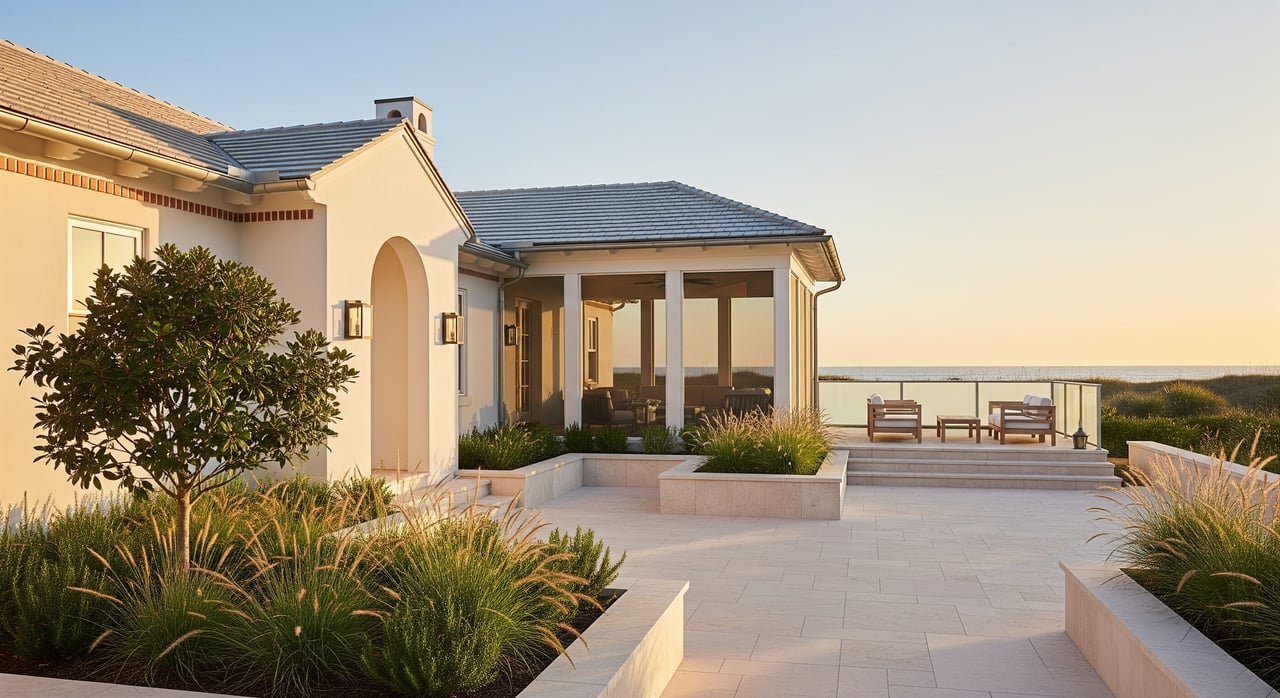
You want the St. Augustine Beach lifestyle without the endless upkeep. Salt air, storms, and high humidity can turn small tasks into big projects if you are not prepared. The good news is you can choose homes and communities that are designed for easy ownership in St. Augustine Shores, St. Augustine South, and the beachside neighborhoods. In this guide, you will learn what “low‑maintenance” really looks like here, which property types fit the bill, and how to vet a home so you spend more time at the beach and less time on chores. Let’s dive in.
Why low‑maintenance matters here
St. Johns County’s coast brings higher humidity, salt in the air, and a yearly hurricane season. These conditions increase wear on paint, metal, roofs, and HVAC equipment compared with inland areas. Agencies like NOAA’s sea‑level and coastal data and the Florida Division of Emergency Management’s hurricane guidance explain why coastal upkeep is different and why planning ahead pays off.
Many buyers in St. Augustine Shores, St. Augustine South, and St. Augustine Beach want a lock‑and‑leave setup. That often means condos, townhomes, or single‑family homes in well‑run HOAs. It also means choosing durable materials, hurricane‑ready features, and easy‑care landscaping that stands up to salt and sun.
Best property types for low upkeep
Condos
Condos typically shift exterior maintenance to the association. Landscaping, common areas, and sometimes roofs are covered by monthly dues. You still handle interior upkeep, but the big exterior jobs are shared across the community.
To verify the true maintenance picture, review HOA reserves, financials, and meeting minutes. The Community Associations Institute offers guidance on responsibilities and the importance of reserve studies. Ask about insurance, past special assessments, and any planned capital projects.
Townhomes and villas
Townhomes and villas often strike a middle ground. You may be responsible for a driveway or small courtyard while the HOA handles the roof, siding, and common grounds. Always read the covenants closely so you know exactly what is covered.
Single‑family homes with an HOA
In some neighborhoods, the HOA manages lawn care, irrigation, and exterior painting on a schedule. You get the privacy of a standalone home with fewer weekend chores. The specifics vary by community, so confirm the scope of services before you buy.
New construction built for the coast
Builders in coastal Florida often use materials that resist corrosion and rot. Fiber cement siding, PVC or composite trim, and aluminum railings reduce long‑term maintenance. Low‑care landscaping, efficient HVAC systems, and impact‑rated windows or shutters can also lower your annual upkeep burden.
Coastal risks to plan for
Salt air and corrosion
Salt accelerates rust and deterioration on exterior metals and finishes. Look for stainless or coated fasteners, aluminum railings, and composite decking. Plan for regular rinsing and slightly more frequent paint cycles to protect surfaces.
Humidity and mold
High humidity can lead to mold if spaces are not ventilated. Proper attic ventilation, well‑sized HVAC systems, and dehumidifiers where needed help keep interiors dry. Routine HVAC filter changes and biannual service are smart in this climate.
Termites and pests
Florida’s coastal areas see active termite pressure. Schedule annual termite inspections and keep up with treatments as recommended by your pest control provider.
Wind and hurricanes
Newer homes typically follow the Florida Building Code for wind resistance. For any home, prioritize hurricane shutters or impact glass, roof tie‑downs, and reinforced garage doors. Many insurers offer credits when these features are verified, which can help with premiums.
Flooding and sea‑level rise
Proximity to tidal creeks and the Atlantic means flood risk varies by street and elevation. Zones can change as maps update. Use the FEMA Flood Map Service Center to check a property’s flood zone and ask for an elevation certificate when available. Flood insurance may be required by a lender if you are in a high‑risk zone, and rates depend on elevation and mitigation.
Smart features that lower upkeep
Focus on materials and systems that perform well by the coast:
- Exterior materials: fiber cement siding, composite trim and decking, aluminum or vinyl railings, and stainless or coated fasteners.
- Roofing and windows: newer roof with verified attachments, impact‑rated windows or quality shutters, and well‑sealed penetrations.
- HVAC and water systems: corrosion‑resistant outdoor condensers, regular service plans, and proper condensate drainage.
- Landscaping: Florida‑friendly, salt‑tolerant plants, reduced lawn area, drip irrigation with timers, and simple hardscapes that require minimal upkeep.
- Elevation and drainage: clear swales, positive grading away from the house, and where possible, elevated mechanicals.
A simple maintenance rhythm
Create a predictable schedule so small issues do not become big repairs:
- Roof check: inspect after storm season and after any severe weather.
- Exterior paint and caulking: touch up as needed and plan for more frequent cycles near salt spray.
- HVAC service: schedule service twice a year and change filters regularly.
- Pest control: get an annual termite inspection and keep up with preventive treatments.
- Gutters and drainage: clean at least twice a year and ensure downspouts direct water away from the foundation.
- Irrigation: test zones seasonally and watch for leaks or overspray against the house.
- Shoreline or seawall structures: if applicable, schedule professional inspections and confirm permits for any repairs.
Budgeting: HOA dues, insurance, and reserves
An HOA can simplify ownership by bundling exterior tasks into a known monthly fee. You trade DIY chores for predictable dues, plus the possibility of special assessments for major projects or storm damage. Compare the total cost of ownership across options, including dues, homeowners insurance, flood insurance if required, and interior upkeep.
Financially healthy associations plan ahead. Ask for reserve studies and recent financials, and review meeting minutes for upcoming projects. Resources from the Community Associations Institute can help you frame smart questions about budgets and reserves.
Insurance is part of coastal life. Premiums vary by elevation, flood zone, age of systems, and mitigation features. Get quotes early in your search and ask how features like shutters, roof straps, or impact glass affect cost.
Due diligence checklist for Shores and South buyers
Inspection priorities
- Roof: age, attachment method, and signs of prior storm repairs.
- Windows and doors: type, hurricane rating, and seal integrity.
- Elevation and drainage: verify flood zone, request an elevation certificate, and observe water flow after rain.
- HVAC: age, service history, and signs of salt corrosion on outdoor units.
- Exterior materials: note wood rot, paint failure, and fastener corrosion.
- Foundation and crawl spaces: check ventilation, moisture, and termite evidence.
- Shoreline structures: if applicable, document condition and permits for prior work.
Questions for the HOA or seller
- What do the HOA dues cover and how often are services performed?
- Are there current reserve studies, financial statements, or planned special assessments?
- What is the community’s insurance coverage and claims history after storms?
- What are the rental, pet, and architectural review rules?
- What is the history of storm repairs or capital improvements?
Local resources to verify details
- Use the FEMA Flood Map Service Center to check flood zones by address.
- Look up ownership and parcel data with the St. Johns County Property Appraiser.
- Review permit history with St. Johns County Building Services.
- Confirm hurricane readiness tips through the Florida Division of Emergency Management.
- See wind resistance standards at the Florida Building Code.
Ready to find the right fit?
Low‑maintenance living in St. Augustine Shores, St. Augustine South, and St. Augustine Beach is about choosing the right property type and verifying the details. When you focus on durable materials, hurricane mitigation, and a well‑run HOA, you can enjoy an easy, coastal lifestyle with fewer surprises. If you want a short list of communities and homes that match your maintenance goals, our local team can help you compare options and spot the features that matter.
Start a conversation with The Newcomer Group. We will tailor your search, connect you with trusted local pros, and guide you from first tours to closing with a smooth, team‑based process.
FAQs
What does low‑maintenance living mean in St. Augustine Beach?
- It usually means condos, townhomes, or HOA‑managed homes that use durable materials and include services like exterior care and landscaping, reducing your daily upkeep.
How do HOAs reduce maintenance for St. Augustine Shores buyers?
- HOAs often handle exterior work and common areas, funded by dues. You still maintain interiors, so review covenants, budgets, and reserves to understand coverage.
How can I estimate flood risk and insurance in St. Augustine South?
- Check your address on the FEMA Flood Map Service Center and request an elevation certificate. Then get quotes that reflect your specific elevation and mitigation.
Are newer homes more resilient on the coast?
- Newer builds generally follow the Florida Building Code for wind resistance, and many include impact protection and corrosion‑resistant materials that lower long‑term maintenance.
What should my inspection focus on for coastal properties?
- Prioritize the roof, windows and doors, elevation and drainage, HVAC corrosion, exterior materials, and termite evidence. If applicable, add shoreline structures to your checklist.