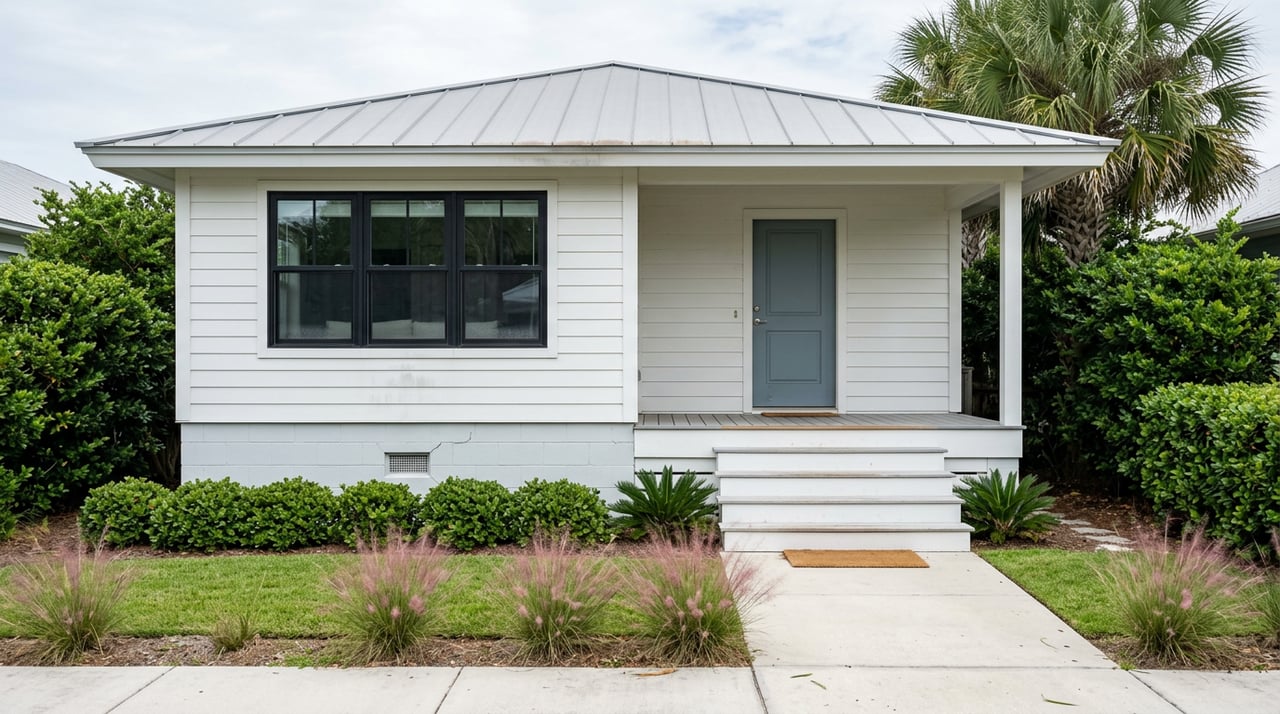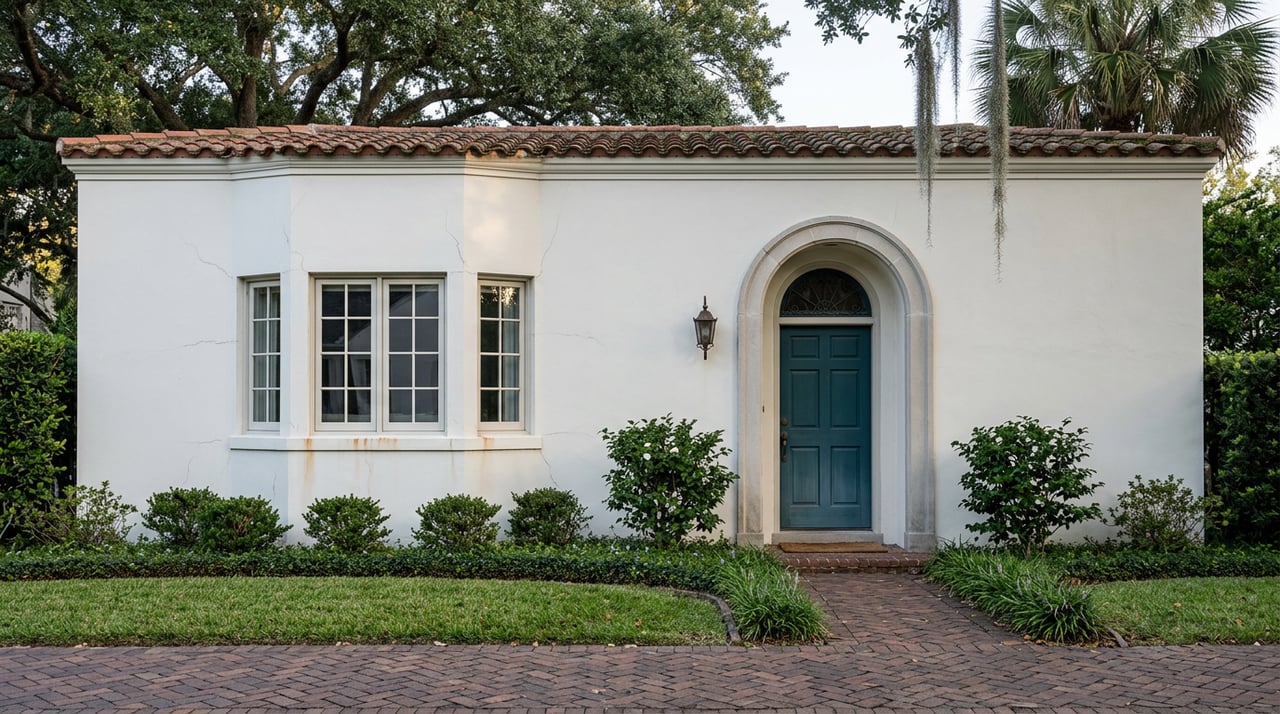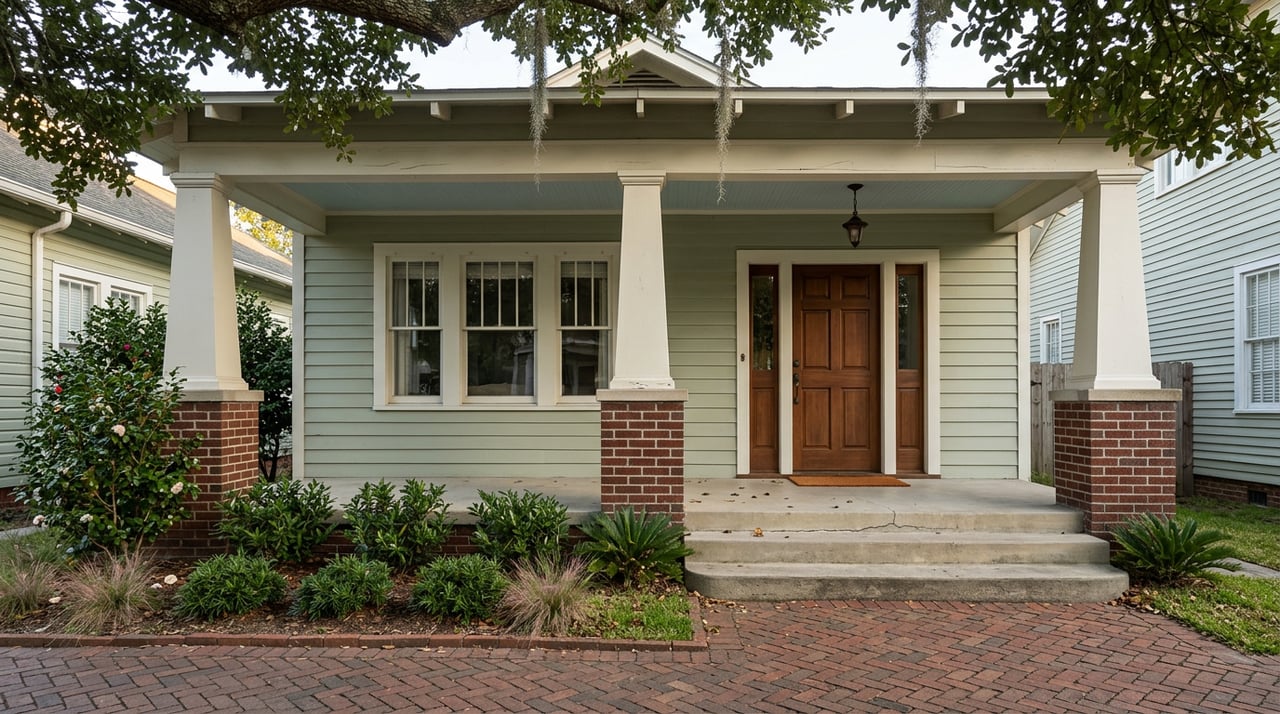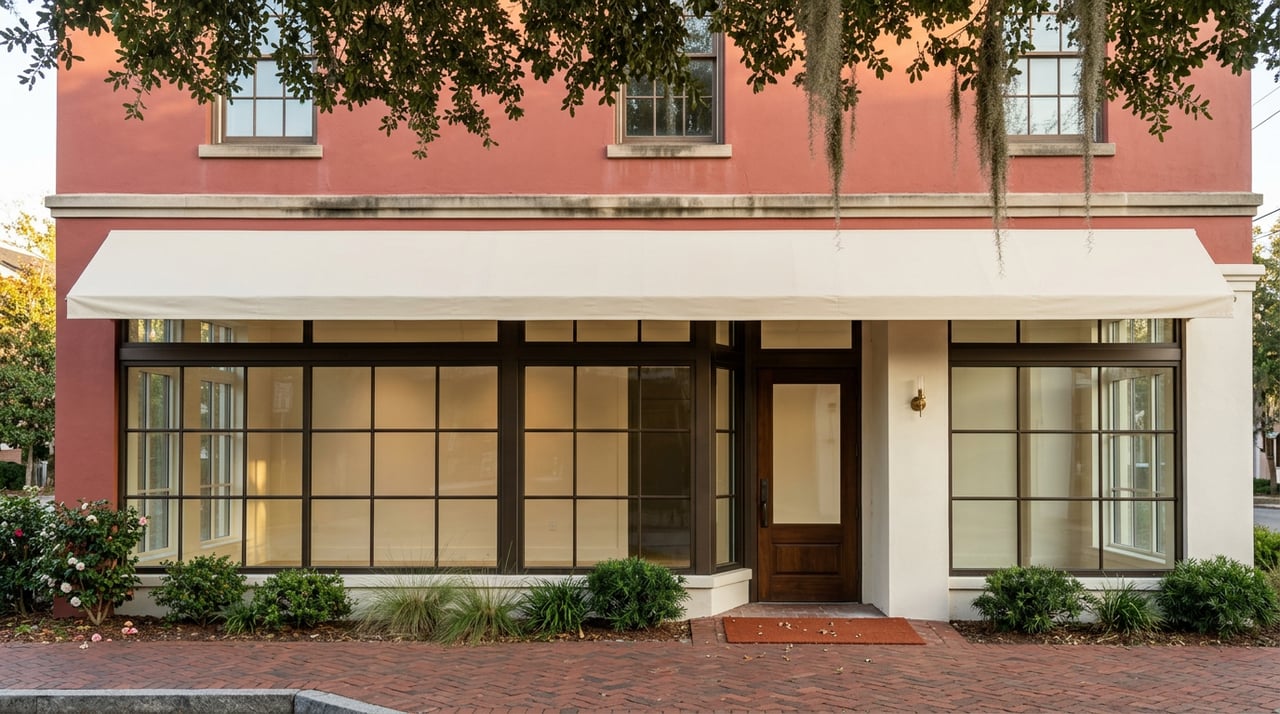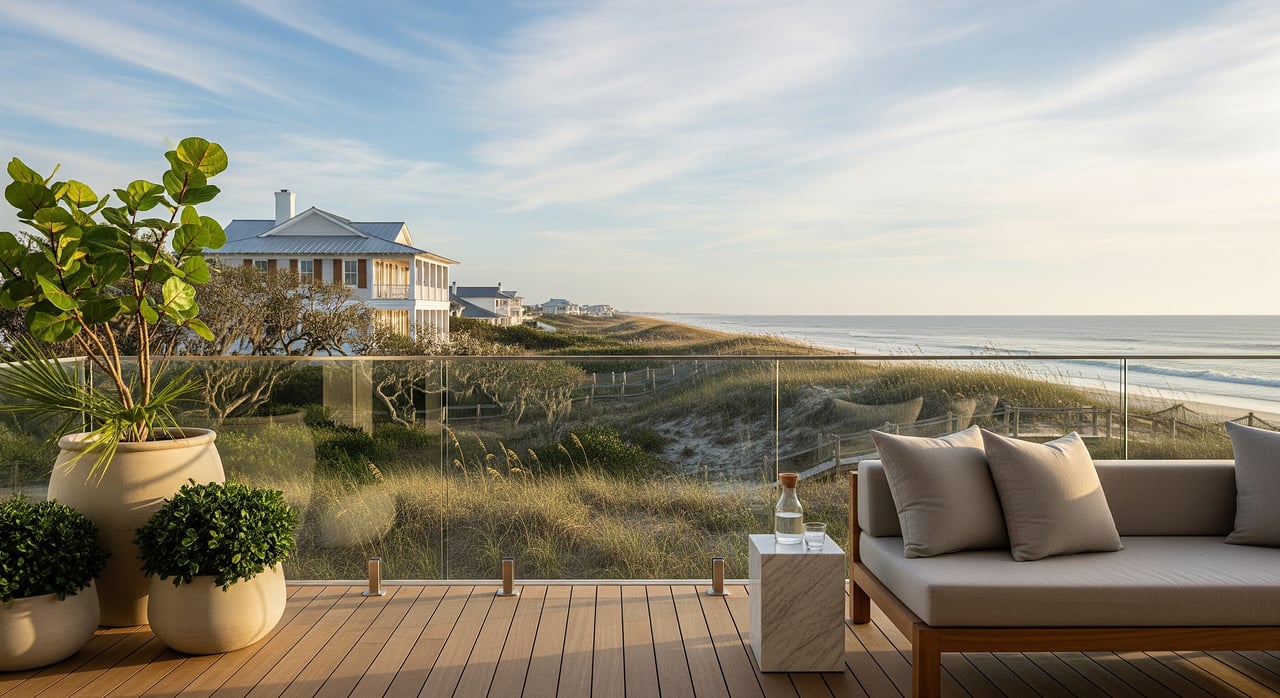
You can hear the waves, feel the salt breeze, and see yourself living steps from the sand. The big question is what fits you best on Anastasia Island: an oceanfront condo or a single-family home near the beach. You want the right mix of cost, control, maintenance, and risk. In this guide, you’ll learn the key differences in financing, ongoing costs, insurance and flood risk, rental potential, and the local rules that shape coastal living on Anastasia Island. Let’s dive in.
Oceanfront basics on Anastasia Island
Anastasia Island is a classic Florida barrier island. You have direct ocean exposure on the east and tidal waters on the west. That location delivers beach access and views, but it also carries storm surge and flood exposure to consider.
You’ll find a mix of low- and mid-rise condos, single-family homes, and resort-style communities. Buyers range from full-time residents to seasonal owners and investors. Condos often provide a lower entry price to live on or near the beach, while detached homes offer more space, privacy, and control.
Cost and financing differences
Buying on the coast is as much about how you finance as it is about price.
Condos: price and lender review
- Many oceanfront and near-ocean condos trade at a lower purchase price than comparable detached homes. This can make beachfront living more accessible.
- Lenders review the entire condo project, not just your unit. They look at insurance coverage, financial reserves, owner-occupancy ratios, rental policies, and any litigation.
- Some loans require that the project is approved by Fannie Mae or Freddie Mac. Investor loans can carry higher rates.
Single-family homes: higher price, more control
- Detached homes on or near the beach often cost more than condos in similar locations.
- Financing is usually more straightforward because lenders underwrite the property itself. You still need to address insurance and flood issues.
Resale and marketability
- Single-family homes can appeal to a wider buyer pool because there is no shared governance and you have more freedom to renovate.
- Condo resale depends on the health of the association, the condition of the building, and the fee structure. High fees or restrictive rental rules can narrow the buyer pool.
Ongoing costs and maintenance
Your monthly and annual costs can differ a lot based on property type.
Condos: bundled services and assessments
- HOA fees typically cover common-area upkeep, master building insurance, landscaping, and amenities like pools or elevators. Utilities such as water, sewer, or trash are sometimes included.
- Budget for possible special assessments for big projects such as roofing, exterior updates, or seawall repairs.
Single-family homes: direct responsibility
- You pay for all exterior maintenance, landscaping, and any private seawall or dune-related work.
- Even if there is a small HOA, it is usually limited to neighborhood common spaces rather than building systems.
Property taxes
- Both property types are subject to St. Johns County property taxes. The amount depends on assessed value and any exemptions you qualify for. Verify details with the St. Johns County Property Appraiser before you buy.
Insurance, flood, and storm risk
On a barrier island, risk planning is part of the lifestyle. The right information upfront can save you money and stress later.
Flood insurance
- Standard homeowners policies do not include flood coverage. If the property is in a FEMA-designated flood zone and you carry a mortgage, your lender will require a flood policy.
- Premiums depend on factors like elevation, whether the property is in a V-Zone or A-Zone, and whether there is an Elevation Certificate. Condos and detached homes follow different coverage structures under the National Flood Insurance Program and private carriers.
Wind and hurricane coverage
- Wind coverage is usually part of a homeowners policy, but coastal deductibles can be higher. Availability changes as insurers adjust exposure in high-risk areas. Some owners rely on the insurer of last resort when private coverage is limited.
Building elevation and construction
- Elevation above the base flood elevation matters. For condos, the building’s overall elevation and height influence rates and exposure. For homes, finished-floor height and construction details can drive cost and eligibility.
Practical move
- Get quotes early. During due diligence, ask for homeowner’s, flood, and any master policy details for condos. Costs vary widely, and quotes can shift your budget.
Rules, permits, and coastal constraints
Coastal living comes with extra layers of oversight to protect dunes and shoreline.
- FEMA Flood Insurance Rate Maps help you determine the property’s flood zone and whether it sits in a V-Zone, which carries stricter standards.
- The Florida Coastal Construction Control Line and related rules guide where and how you can build near the beach. Portions of Anastasia Island fall under these standards.
- Seawalls and other hard stabilization measures usually need permits. Owners are responsible for maintenance and any repairs.
- Beach renourishment and dune management projects can change shoreline dynamics and, in some cases, lead to assessments.
- Short-term rental rules exist at the county and city levels. Many associations also set their own rental restrictions. Confirm current requirements, registration, and taxes before you count on rental income.
Lifestyle and amenities
Choosing between a condo and a home often comes down to how you want to live day to day.
Condo lifestyle
- Pros: Shared amenities like pools and fitness rooms, less day-to-day maintenance, and easy lock-and-leave for seasonal living.
- Cons: Less privacy, some noise transfer, and HOA rules that govern pets, rentals, and renovations.
Home lifestyle
- Pros: More privacy and outdoor space, potential for direct beach access, and greater control over improvements.
- Cons: Higher maintenance commitment, potentially higher insurance costs, and responsibility for landscaping and any dunes or seawalls.
Access and parking
- Condos usually include assigned or covered parking with guest spaces. Homes rely on private driveways and, in some cases, on-street parking. Beach areas can see seasonal parking pressure.
Rental and investment potential
Oceanfront demand on Anastasia Island is strong, but net income depends on details.
- Gross rental income varies by location, building amenities, unit size, and marketing.
- Net returns drop with HOA fees, management costs, insurance, repairs, and occupancy taxes.
- Condos face building-level risks such as litigation, reserve shortfalls, or high non-owner-occupancy percentages. Review the building’s financials and rental rules carefully.
- Single-family homes are often easier to market to a broad audience, but they can bring higher insurance and maintenance costs.
How to choose: real-life scenarios
Use your goals and lifestyle to guide the decision.
- You want low maintenance and a lock-and-leave setup. A condo may fit, especially if you plan to be seasonal or split time.
- You want privacy, outdoor space, and room to customize. A single-family home near or on the ocean can be the best match.
- You value rental income as a key part of your plan. Either can work, but condos require careful review of HOA policies and building health. Homes may have stronger appeal but can cost more to insure and maintain.
- You have a strict budget and want predictable costs. Condos often provide more clarity up front, but you must account for possible special assessments.
Due diligence checklist
Bring this list to your showings and offer process.
For all properties
- Flood details: FEMA flood zone, any Elevation Certificate, and recent flood history if available.
- Insurance: Obtain quotes for wind and homeowners coverage, plus flood, and ask for prior claim history.
- Survey and boundaries: Review recent survey, beach access rights, public easements, and shoreline setback lines.
- Permits and history: Check local permitting for additions, decks, seawalls, and structural work.
- Utilities: Confirm sewer or septic, potable water, and drainage responsibilities.
- Local use rules: Verify short-term rental registration, occupancy tax requirements, parking rules, and noise ordinances.
For condos
- HOA documents: Articles, bylaws, CC&Rs, meeting minutes, budgets, reserve study, and financial statements.
- Insurance: Review the master policy and what your HO-6 policy must cover.
- Building condition: Roof age, exterior envelope, elevators, and any pending or recent special assessments.
- Rentals: Confirm rental rules, owner-occupancy ratios, and any required approvals.
For single-family homes
- Seawalls and dunes: Who owns and maintains them, recent inspections, and permit records.
- Beach access: Clarify private access rights and any public easements.
- Erosion and landscaping: Understand mitigation measures and any permits needed.
Financing checks
- Lender requirements: Confirm condo project eligibility or any special underwriting needs.
- Flood insurance handling: Ask about force-placed insurance or escrow requirements.
Smart next steps
- Clarify your top three priorities: budget, maintenance level, and privacy.
- Get insurance quotes before you make an offer. Costs can be a deciding factor.
- For condos, review HOA documents and financials early. For homes, verify seawall and dune responsibilities.
- Pull flood maps, elevation details, and relevant permits. A property’s exact zone and elevation will shape your long-term costs.
When you are ready to compare live listings and run the numbers, connect with a local team that works coastal deals every day. Beachfront decisions are both financial and personal. You deserve clear guidance, strong negotiation, and a smooth process from contract to close. To start a focused plan for Anastasia Island, reach out to The Newcomer Group.
FAQs
What are the biggest cost differences between an oceanfront condo and a home on Anastasia Island?
- Condos often have a lower purchase price but add HOA fees and potential special assessments, while homes typically cost more up front and place all exterior and seawall maintenance directly on you.
How do flood zones and elevation affect insurance for Anastasia Island properties?
- FEMA flood zones and your Elevation Certificate drive flood insurance costs, with V-Zones carrying stricter standards and often higher premiums than A-Zones.
What should I review in a condo association before buying near the beach?
- Focus on financials, reserves, meeting minutes, rental rules, master insurance coverage, recent or pending special assessments, and any litigation involving the building.
Are short-term rentals allowed for oceanfront properties on Anastasia Island?
- Rules vary by city, county, and HOA; verify current local ordinances, registration and tax requirements, and association policies before relying on rental income.
Do I need special permits for seawall or dune work at a single-family home?
- Seawall construction or repair and certain dune activities typically require permits and must comply with coastal rules, with the owner responsible for maintenance and compliance.
How early should I get insurance quotes when shopping along the coast?
- Get homeowner’s and flood quotes during your due diligence period, along with details of any condo master policy, because premiums can materially affect your buying budget.