Imagine stepping out your front door and strolling to coffee, waterfront views, and galleries without starting your car. That is the day-to-day rhythm of downtown St. Augustine in 32084. You get history, culture, and coastal scenery in a compact, walkable setting, paired with a few practical realities like event crowds and flood awareness. In this guide, you will learn what downtown living really feels like, the kinds of homes you can buy, how preservation and flood rules work, and simple steps to shop smart. Let’s dive in.
Downtown vibe and everyday life
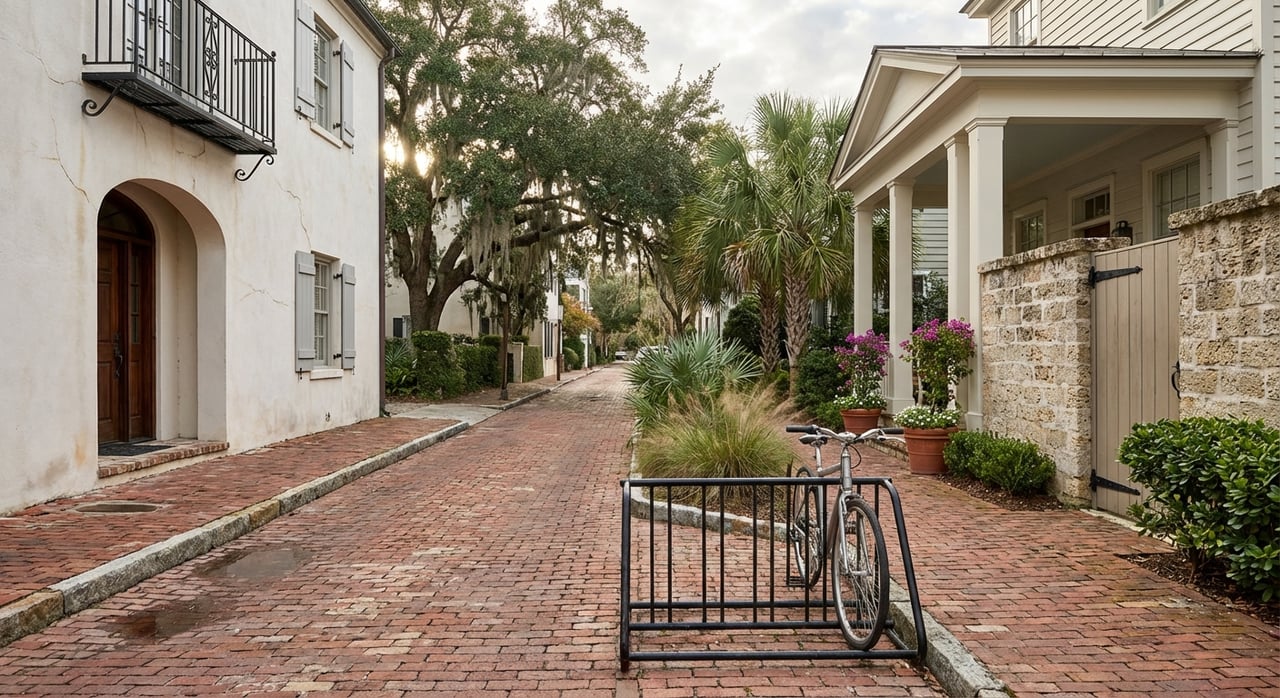
Downtown St. Augustine centers on Historic Downtown, where brick-lined streets, small shops, and Flagler-era architecture shape the scene. Pedestrian-first corridors like St. George Street make it easy to walk for dinner, art, and errands. The Matanzas Bay waterfront adds breezy promenades and sunrise scenery. For a quick overview of the district and its landmarks, explore the official Historic Downtown page from Visit St. Augustine.
You will feel a strong event calendar and seasonal tourism. Popular times like Nights of Lights bring energy, music, and plenty of visitors. Many residents adopt a park-once mindset and time their errands around peak hours. The payoff is an active, lively neighborhood that always gives you somewhere new to explore.
Housing options in 32084
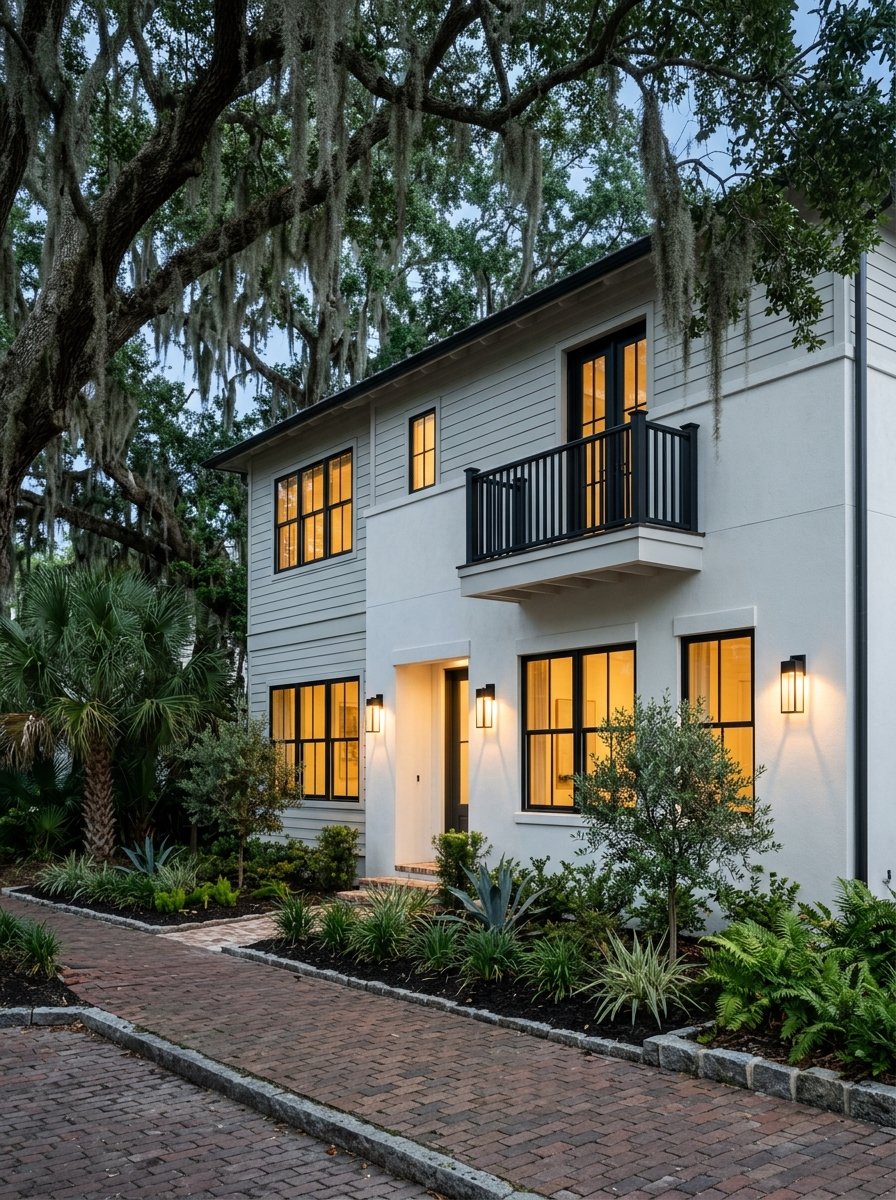
You have a mix of historic cottages, updated single-family homes, and low-maintenance condos and townhomes within walking distance of the core. The variety lets you match your lifestyle and upkeep preferences.
Common options include:
- Historic cottages and small single-family homes with front porches and classic wood details, often on compact lots.
- Renovated historic homes with modern interiors while keeping period exteriors where preservation applies.
- Condominiums near the bayfront that trade exterior maintenance for convenience, sometimes in gated or courtyard-style settings.
- Townhomes and selective infill builds that offer newer floor plans close to downtown amenities.
Price points vary by age, condition, and proximity to the water. In recent examples, downtown condos have appeared in the mid-300ks to 700ks range, and renovated cottages and single-family homes often range from the mid-300ks to well over 700k for larger or highly updated properties. Waterfront and deep-water options can be higher. Treat these as examples, not fixed averages, and check current data when you are ready to write an offer.
Renovating and owning historic homes
Downtown’s charm comes with preservation rules you should understand early. The City of St. Augustine runs an active program that reviews many exterior changes on historic or contributing properties. Projects like demolition, elevation, and reconstruction often require Historic Architectural Review Board approval and a Certificate of Appropriateness. You may also encounter archaeological review in certain zones. Expect these steps to add time to your plan. Learn more in the city’s Historic Preservation FAQs.
Maintenance on older homes can be different from newer builds. You may see original wood windows that need sash repairs, aging plaster to patch, or electrical systems that need updating. The National Park Service’s Technical Preservation Services offers clear, practical guidance on repair vs. replacement in its Preservation Briefs. In coastal settings, humidity, salt, and termites can speed up exterior wear, so plan for regular paint cycles, annual pest inspections, and attention to metal hardware.
If you plan to elevate or floodproof a historic home, factor in extra review steps. Flood mitigation can involve lifting a structure, adding flood vents, or improving drainage, and that work usually needs both preservation and environmental approvals. The city also runs resilience projects and provides guidance to help owners evaluate options. Check the city portal for current programs and contacts in the FAQs.
Flood risk and insurance essentials
Downtown’s proximity to Matanzas Bay means flood awareness is part of property ownership. The City notes that much of St. Augustine lies within a flood plain, and nuisance tidal flooding can occur in low-lying spots. The city continues to invest in resilience, including seawall and stormwater improvements. You can review high-level context and contacts in the city’s FAQs.
Before you write an offer, verify a property’s flood zone and elevation. Useful tools include the St. Johns County Flood Viewer and FEMA’s Flood Map Service Center. For long-term scenario planning, the NOAA Sea Level Rise Viewer provides easy-to-understand visuals.
Lenders typically require flood insurance for homes in FEMA Special Flood Hazard Areas. Even if insurance is not required, many coastal buyers choose coverage. Florida’s insurance market changes quickly, so request current quotes, ask about prior flood claims, and confirm wind coverage details. FEMA’s portal is a good starting point for official map products and policy basics at the Flood Map Service Center.
Parking and getting around
Parking is part of downtown life. On busy weekends or during major events, municipal garages and on-street spaces can fill. The city promotes a park-once approach and offers resident discount programs and event shuttles that ease peak demand. For updates on programs, garages, and schedules, check the city’s FAQs.
You will also enjoy quick access to Anastasia Island over the Bridge of Lions. Beaches, parks, and concerts at the St. Augustine Amphitheatre are a short drive away. See upcoming shows at The Amp to get a feel for the year-round music scene.
Schools and everyday conveniences
Downtown addresses are served by the St. Johns County School District. Attendance zones can change, so verify the assigned schools for a given address directly with the district. A helpful directory is available on the St. Johns County School District site.
Lot sizes and yards in the historic core are often smaller than in suburban neighborhoods. Many families trade larger yards for proximity to bayfront parks, playgrounds, museums, and walkable dining. If you prefer a bit more outdoor space, there are nearby neighborhoods within 32084 that sit just outside the most compact blocks yet still keep you close to downtown.
Short-term rentals at a glance
St. Augustine allows short-term vacation rentals with registration and life-safety inspections. Rules vary by zoning, and some residential and historic preservation zones limit nightly rentals or set minimum-stay requirements. There are occupancy limits, parking requirements, and tiered registration fees. Review current steps and regulations on the city’s FAQs before you underwrite any rental income.
Who thrives living downtown
- Empty nesters and retirees who value walkability, culture, and a lock-and-leave lifestyle.
- Second-home buyers and professionals who want low maintenance with quick access to dining, arts, and the bayfront.
- Artists, hospitality pros, and small-business owners who appreciate steady foot traffic and a lively calendar.
- Boaters and waterfront fans who enjoy docks, slips, and intracoastal access, balanced with informed flood and maintenance planning.
Quick buyer checklist for 32084
- Verify flood zone, FIRM panel, and elevation using the county Flood Viewer and FEMA’s Flood Map Service Center.
- Ask for an Elevation Certificate, recent survey, and any flood-claim history.
- If the property is historic, contact the City’s Historic Preservation staff to confirm which exterior changes trigger HARB review and whether archaeology review applies. Start at the city’s FAQs.
- For waterfront parcels, confirm seawall or dock condition and permit history. The city portal lists departments and contacts in the FAQs.
- Considering short-term rentals. Check current registration, zoning rules, occupancy caps, and fees on the city’s FAQs.
Is downtown right for you
If you love to walk to dinner, wake up to bay breezes, and live where history is part of your block, downtown St. Augustine delivers a rare Florida lifestyle. You will balance that charm with event energy, maintenance needs on older homes, and careful flood planning. With the right guidance and due diligence, you can enjoy the best of a coastal, cultural city center.
When you are ready to tour homes or talk through flood, preservation, and pricing, reach out to The Newcomer Group. Our local team will help you compare options, verify the details that matter, and find a home that fits how you want to live.
FAQs
Can you freely change a downtown home’s exterior in St. Augustine
- Not always; many historic or contributing properties require HARB review and a Certificate of Appropriateness for exterior work, and some areas include archaeological review per the city’s FAQs.
Will you need flood insurance to buy in 32084’s Historic Downtown
- Possibly; lenders require it in FEMA Special Flood Hazard Areas, and many coastal buyers choose coverage even outside those zones after reviewing elevation and risk on FEMA’s map tools.
How walkable is downtown St. Augustine for daily errands
- Very; pedestrian corridors like St. George Street, nearby restaurants, galleries, and the bayfront make a park-once lifestyle realistic for many residents per the Historic Downtown overview.
What should you check before buying a waterfront or low-lying property
- Confirm flood zone and elevation, request an Elevation Certificate, review any flood claims, and assess seawall or dock condition and permits using city and county resources.
Are short-term rentals allowed in downtown neighborhoods
- Yes, with city registration and life-safety inspections; rules vary by zoning, with some areas limiting nightly rentals or requiring longer minimum stays, so confirm details with the city first.