If you picture Palm Coast as a busy boardwalk beach town, you may be surprised by what year-round life actually feels like. For many full-time residents, Palm Coast offers something different: a spread-out coastal city with a steady residential feel, easy access to the water, and a lifestyle built around recreation, routine, and room to breathe. If you are thinking about moving here, this guide will help you understand the pace, housing mix, outdoor lifestyle, and practical realities of living in Palm Coast all year. Let’s dive in.
Palm Coast feels residential first
Palm Coast is a relatively young city that was incorporated in 1999 and covers 95.36 square miles of land. With an estimated 2025 population of 109,886, it feels established without feeling overly dense. Census data also shows an 81.9% owner-occupied housing rate, which points to a community shaped largely by long-term residents.
That matters when you are deciding whether a place fits your lifestyle. Palm Coast tends to feel more like a suburban coastal city than a tourism-driven beach strip. You get a quieter day-to-day rhythm, with neighborhoods, parks, and local routines playing a bigger role than seasonal crowds.
The pace is relaxed and spread out
Palm Coast is not a compact, highly walkable downtown environment. Based on the city’s size, 2020 population density of 936 people per square mile, and a mean commute time of 27 minutes, daily life is generally more drive-oriented. In practical terms, you will likely use your car for errands, dining, and many activities.
For some buyers, that is a plus. If you want extra space, a calmer pace, and a little separation between home, shopping, and recreation, Palm Coast often delivers that balance well.
Beach access is part of life
One of the biggest perks of living in Palm Coast year-round is how easy it is to enjoy the coast without having to live directly on a crowded oceanfront strip. Visitor sources describe about 18 to 19 miles of beach frontage for Palm Coast and the Flagler Beaches. Beaches are free to access, and several public parking areas are also free.
That setup makes beach days feel practical, not just occasional. You can work beach time into a normal week, whether that means a quick morning walk, an evening visit, or a relaxed weekend outing. Some state parks with beach access do charge modest entry fees, so it helps to know your preferred spots.
If you have a dog, there are designated dog-friendly beach sections in Flagler Beach north of North 10th Street and south of South 10th Street. That adds another layer of everyday livability for pet owners who want coastal access built into their routine.
Water shapes the lifestyle
Palm Coast’s connection to the water goes far beyond the beach. The city highlights 70 miles of saltwater and freshwater canals along with the Intracoastal Waterway, which gives the area a distinctive waterfront character. For many residents, the local lifestyle centers on boating, fishing, kayaking, and simply being near the water.
Palm Coast Marina sits on the Intracoastal Waterway and offers 80 slips. County and tourism listings also point to boat access at Herschel King Park and Bing’s Landing, both of which include boat ramps and fishing amenities. If you are looking for a place where getting out on the water can be part of regular life, Palm Coast stands out.
Outdoor living is a real daily benefit
Palm Coast leans into outdoor recreation in a big way. The city points to more than 130 miles of connecting trails and paths, along with a dozen parks and facilities such as Linear Park, Waterfront Park, Long Creek Nature Preserve, and the Palm Coast Aquatics Center. That gives you options whether you enjoy walking, biking, paddling, or structured recreation.
This is one of the clearest differences between visiting Palm Coast and living here full-time. When you live here, the trails, parks, and waterfront spaces become part of your normal week. Instead of planning around a vacation schedule, you can simply step outside and use what is nearby.
Golf is part of the local rhythm
For buyers who want golf access, Palm Coast offers more than just occasional tee times. The city’s Palm Harbor Golf Club includes a driving range, practice greens, a restaurant, and resident-oriented league play. That makes golf feel like an integrated part of the local lifestyle rather than a one-off amenity.
If your ideal Florida routine includes an early tee time, lunch afterward, and a neighborhood setting that supports that kind of schedule, Palm Coast has real appeal. It is one more example of how the city supports lifestyle-based home choices.
Town Center adds community activity
Palm Coast may be spread out, but it still has places where community life comes together. Central Park in Town Center is described by the city as one of its most popular event venues and a downtown gathering place. The Stage at Town Center also hosts concerts and community events.
The city’s event programming includes recurring food truck nights and family activities. That creates a social calendar that feels active and approachable. You can plug into local events when you want them, without the faster pace of a larger urban core.
Dining is casual and local
Year-round life in Palm Coast tends to come with a relaxed dining scene. Official tourism materials describe a diverse food scene with an emphasis on freshly caught seafood, made-from-scratch meals, and locally owned hospitality. In day-to-day terms, that often means easygoing restaurants and coastal staples rather than a dense late-night scene.
For many residents, that is exactly the appeal. Dining out feels comfortable and familiar, and it fits the area’s laid-back coastal identity.
Homes often match different lifestyle goals
Palm Coast’s housing profile is one of the strongest clues to what living here looks like. The city’s owner-occupied housing rate is 81.9%, and the median owner-occupied home value is $350,800. Census data also reports median monthly owner costs of $1,687 with a mortgage and median gross rent of $1,782.
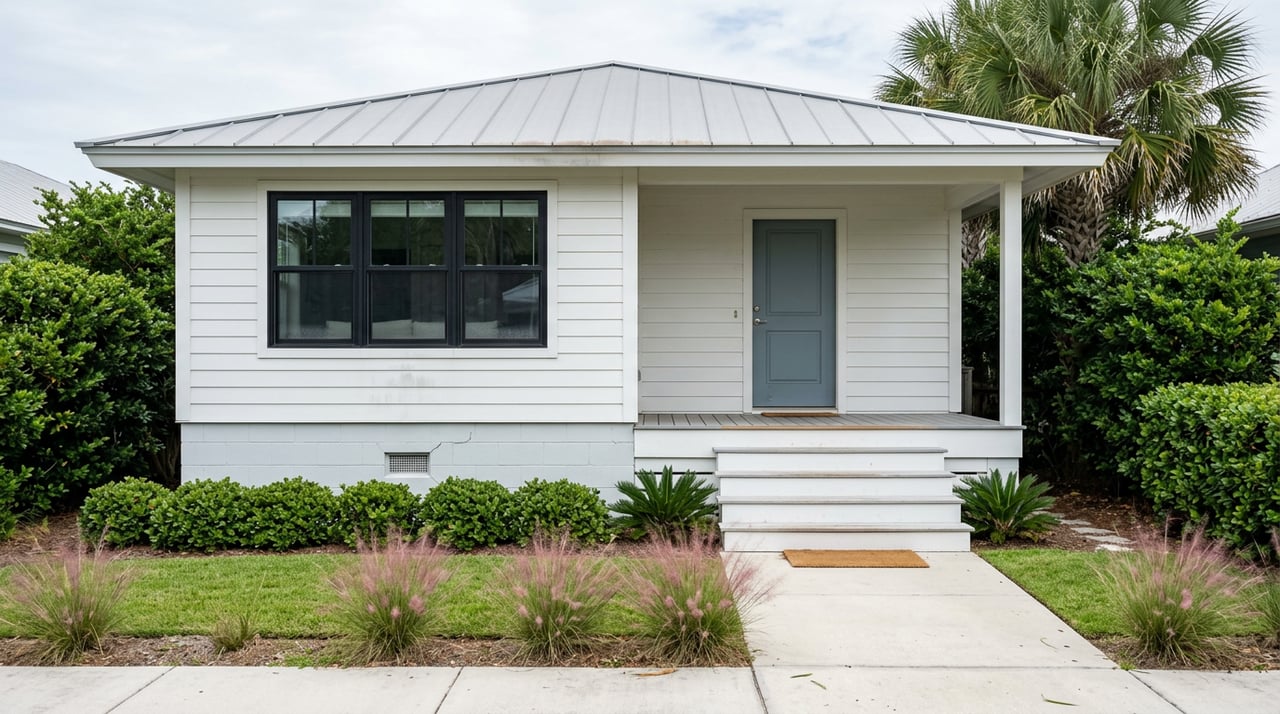
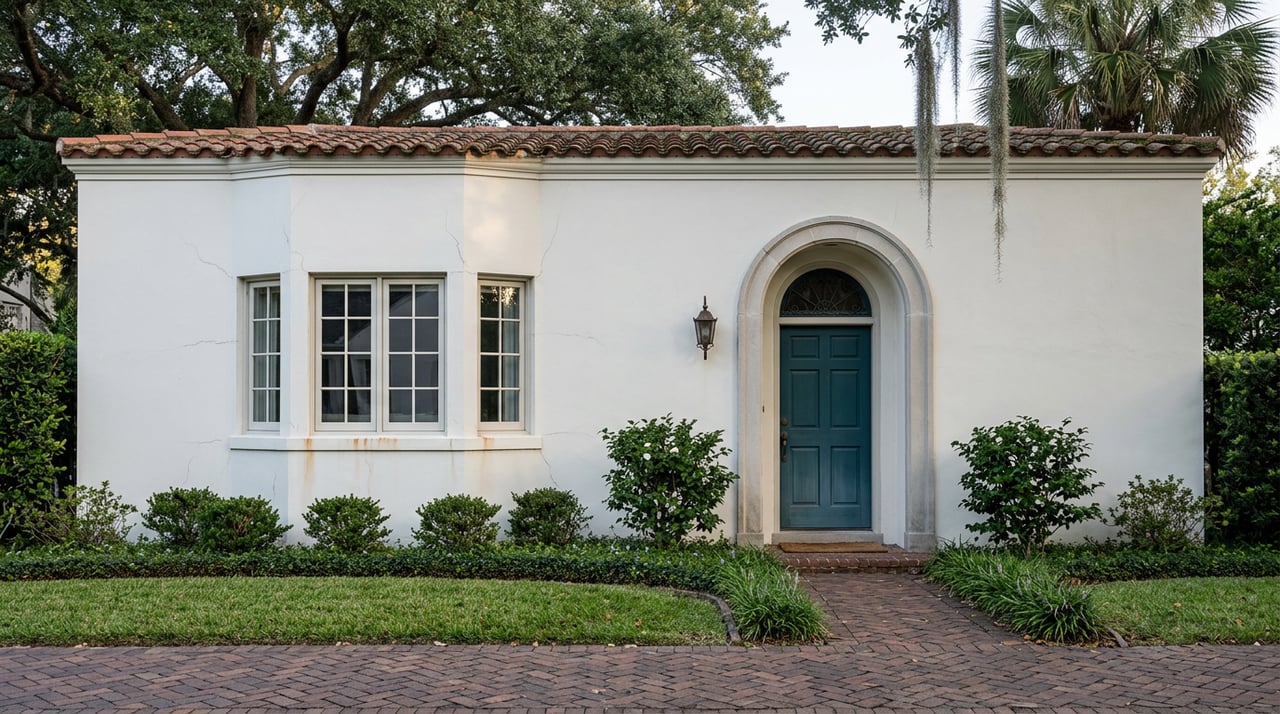
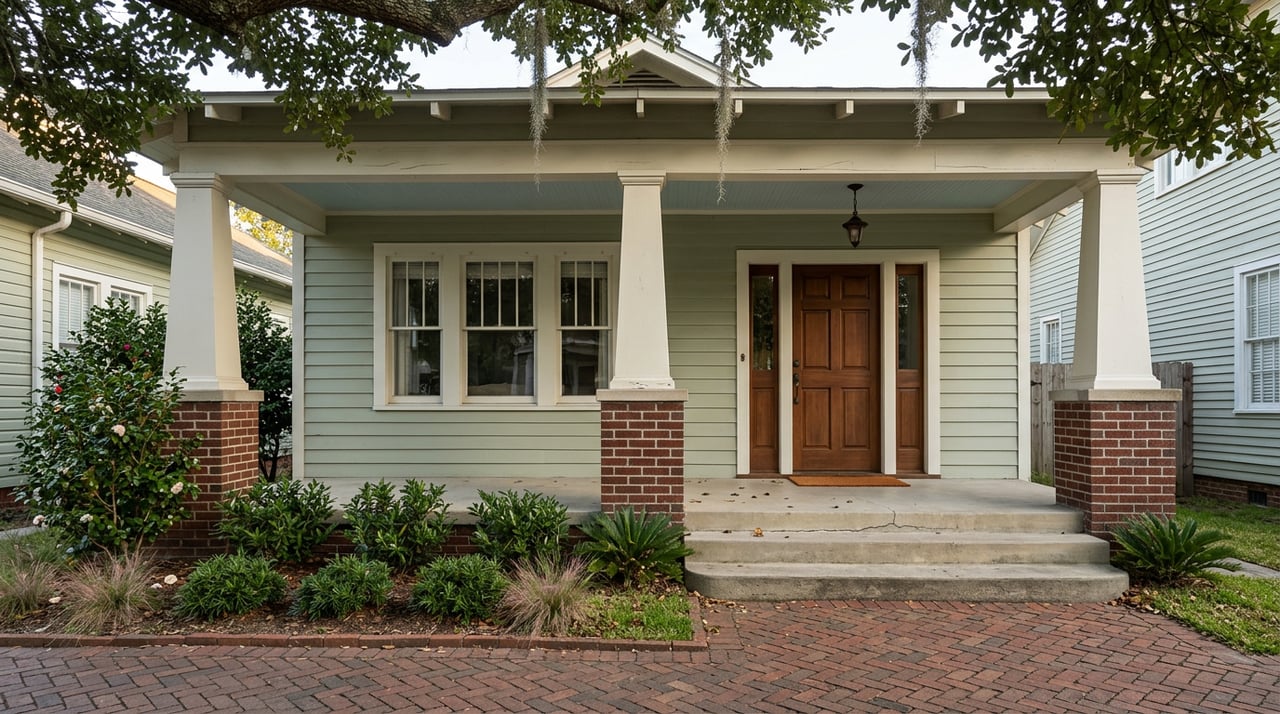
Those numbers help frame Palm Coast as a place with a strong full-time residential base. Buyers often come here looking for a lifestyle fit rather than one single type of property. Depending on your goals, that might mean a detached home with more yard space, a canal-front property, a golf-oriented setting, or a lower-maintenance option closer to Town Center.
Palm Coast can work well for retirees
Palm Coast is often part of the conversation for retirees, and the numbers help explain why. Census estimates show that 29.5% of residents are age 65 or older. The city also notes that its parks and recreation programs are designed for everyone from toddlers to seniors.
Florida’s lack of a personal income tax adds another practical point for many households planning a move. When you combine that with year-round recreation, healthcare access, and a mostly residential setting, Palm Coast becomes an attractive option for people looking to simplify their lifestyle without giving up activity or convenience.
Families will find everyday structure
For households with children, Palm Coast offers a community rhythm built around everyday life rather than a vacation economy. Palm Coast is served by Flagler Schools, and the district lists Flagler-Palm Coast High School among its schools. The city also has regular recreation programming and community events that can support after-school and weekend routines.
That does not mean every part of the city feels the same. But it does mean Palm Coast functions as a real full-time community where schools, activities, and neighborhood life are part of the local pattern.
Climate is a major part of the decision
Living in Palm Coast year-round means living with Florida’s seasonal weather patterns. Nearby Daytona Beach NOAA normals show average January highs and lows around 69 and 48.5 degrees, while July averages are about 90.2 and 73.5 degrees. July also averages 6.01 inches of rain.
The upside is mild winter weather that makes outdoor living possible for much of the year. The tradeoff is hot, humid summers and the need to plan around rain, especially in the afternoon. If you love being outside, the climate can be a big draw, but it helps to understand the seasonal rhythm before you move.
Storm planning matters near the coast
In any coastal Florida move, preparedness should be part of the conversation. NOAA states that Atlantic hurricane season runs from June 1 through November 30. Palm Coast also provides flood-zone information through its local mapping resources.
If you are considering a waterfront property, a canal-front home, or a lower-lying area, it is smart to look closely at flood zones, insurance needs, and evacuation logistics. These are not reasons to avoid the area, but they are important parts of making a confident and informed decision.
Healthcare and transportation support daily life
Practical convenience matters when you live somewhere full-time. AdventHealth says Flagler County has two 99-bed hospital campuses: AdventHealth Palm Coast and AdventHealth Palm Coast Parkway. For many buyers, especially retirees and relocation clients, that healthcare presence can be a meaningful part of the decision.
County transit also offers countywide service at low cost, with a focus on seniors and riders with disabilities. Even if you expect to drive most of the time, it is helpful to know there are local mobility options in place.
Palm Coast works best for certain buyers
Palm Coast is often a strong fit if you want a coastal lifestyle without the constant intensity of a major beach destination. It can appeal to buyers who value outdoor recreation, boating access, golf, and a neighborhood-oriented setting. It can also be a smart choice if you want to be within reach of regional destinations like St. Augustine and Daytona Beach while keeping home life a little quieter.
Official tourism sources place Palm Coast 31 miles south of St. Augustine and 24 miles north of Daytona Beach. Nearby airport options include Daytona Beach International, Jacksonville International, Orlando Sanford, and Orlando International. That regional access adds convenience for travel, visiting family, and day trips.
So, what is it really like?
Year-round life in Palm Coast is best described as steady, coastal, and lifestyle-driven. You get beaches nearby, extensive water access, trails, parks, golf, and an active but not overwhelming event calendar. At the same time, you should expect a spread-out city where driving is part of the routine, summers are hot, and coastal planning matters.
For the right buyer, that mix can feel like a sweet spot. If you want a Florida lifestyle that is more residential than resort-like, Palm Coast is worth a serious look.
If you are exploring homes in Palm Coast or comparing northeast Florida coastal communities, The Newcomer Group can help you find the area and property type that best match your goals.
FAQs
What does year-round living in Palm Coast feel like?
- Palm Coast generally feels like a spread-out, mostly residential coastal city with a relaxed pace, strong owner-occupancy, and easy access to beaches, parks, trails, and waterways.
Is Palm Coast more of a beach town or a suburban city?
- Palm Coast is better understood as a suburban coastal city with beaches nearby rather than a dense oceanfront beach town.
Is Palm Coast a good place for retirees?
- Palm Coast can be appealing for retirees because 29.5% of residents are age 65 or older, recreation options are available year-round, healthcare is locally available, and Florida has no personal income tax.
What kinds of homes are common in Palm Coast?
- Buyers in Palm Coast will often find a market centered on owner-occupied residential housing, including detached homes and lifestyle-driven options such as canal-front, golf-oriented, and lower-maintenance properties.
How close is Palm Coast to other northeast Florida destinations?
- Palm Coast is about 31 miles south of St. Augustine and 24 miles north of Daytona Beach, which makes regional day trips and travel more convenient.
What should waterfront buyers in Palm Coast keep in mind?
- Waterfront buyers should review flood-zone information, insurance needs, storm planning, and evacuation logistics, especially because hurricane season runs from June 1 through November 30.