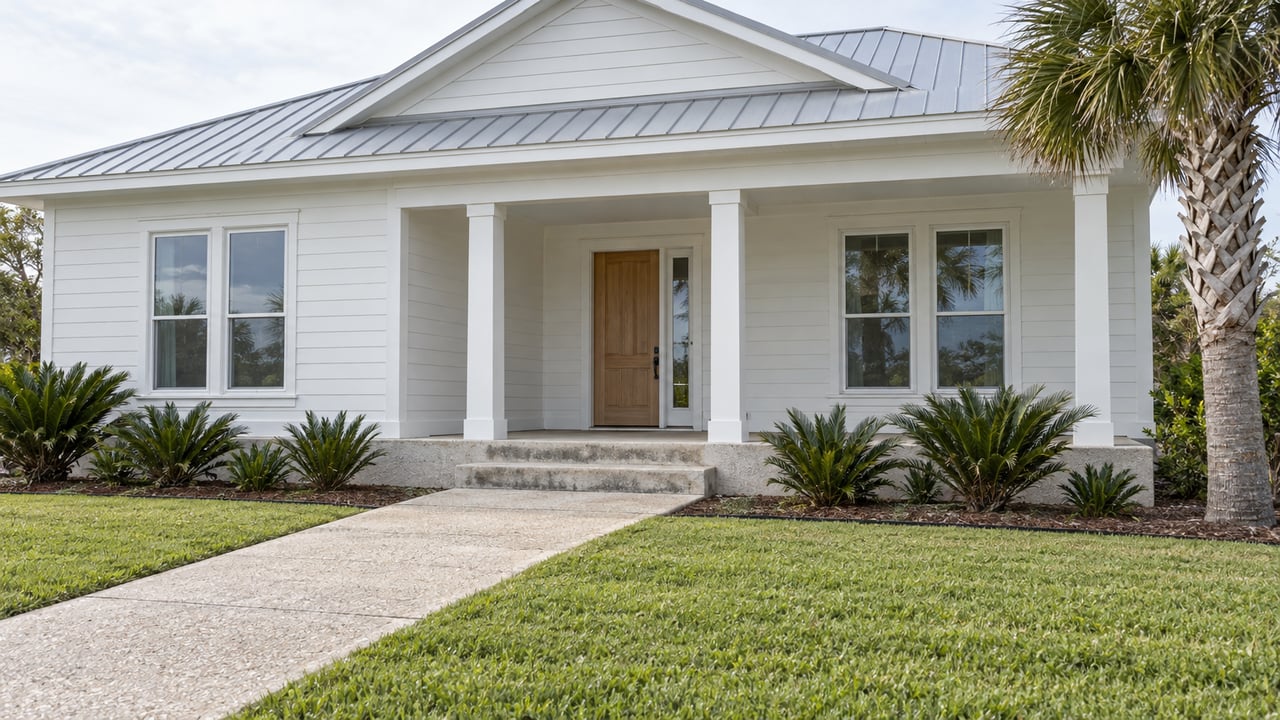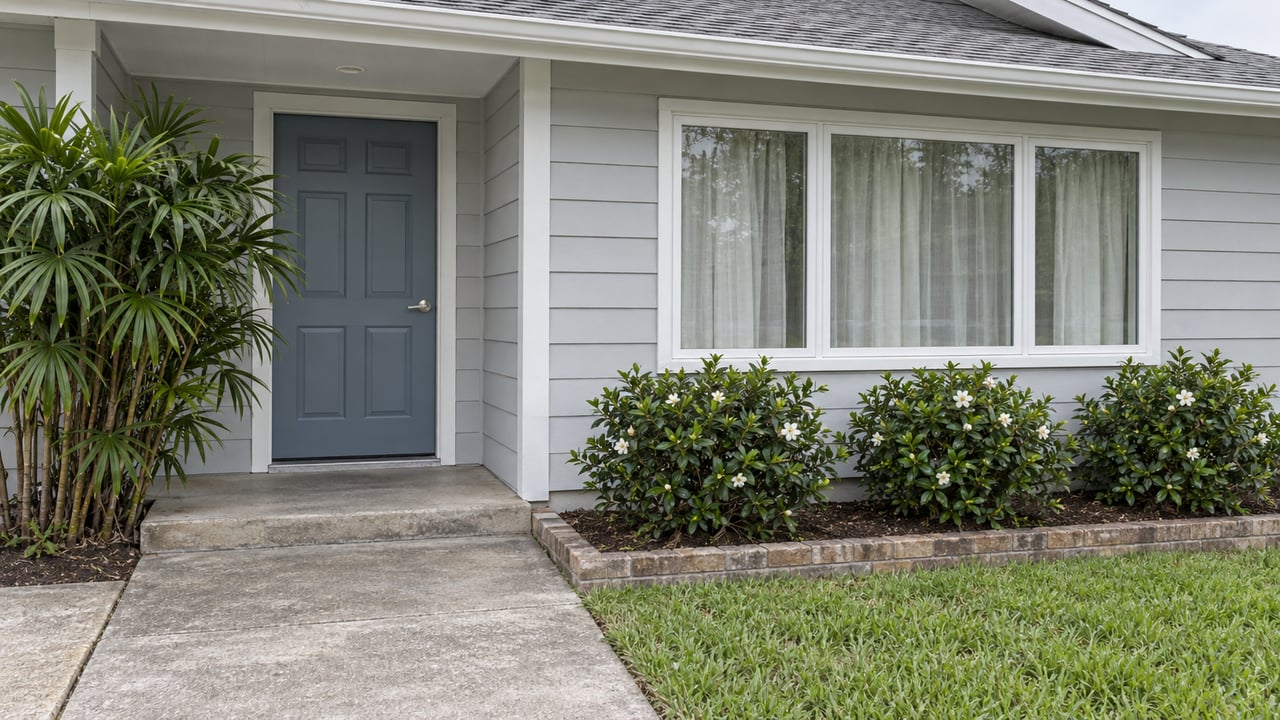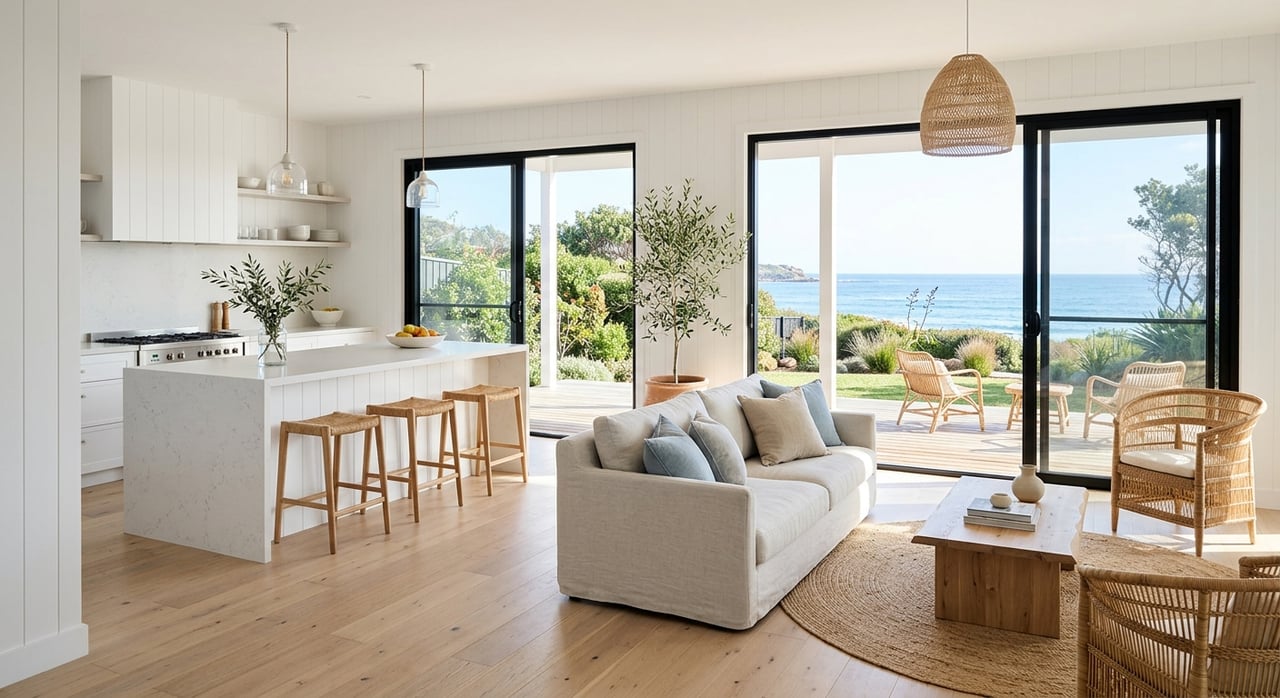
Selling on Anastasia Island is not the same as selling in a typical neighborhood. Buyers here are not just comparing square footage and finishes. They are also weighing flood zones, storm history, beach access, views, condo rules, and whether the home delivers the coastal lifestyle they want. If you want to sell with confidence, you need a plan that matches how this market really works. Let’s dive in.
Why selling on Anastasia Island is different
Anastasia Island is a 14-mile barrier island between the Atlantic Ocean and the Matanzas River, just a few miles from Historic Downtown St. Augustine. Its appeal is tied to beaches, Anastasia State Park, the lighthouse, and the St. Augustine Amphitheatre. That means your sale is often about lifestyle as much as the house itself.
Tourism also shapes buyer demand. St. Johns County identifies tourism as one of its primary economic engines, and county visitor research from April through June 2025 showed that 43% of visitors stayed in beachfront accommodations and 22% used vacation rentals. For you as a seller, that means many buyers already understand the island experience before they ever schedule a showing.
At the same time, today’s market is more price-sensitive than it was at the recent peak. In the 32080 ZIP code, which covers much of the island inventory, Zillow reported an average home value of $538,460 as of March 31, 2026, down 2.9% year over year. The same data showed 78 days to pending, 438 homes for sale, and 84% of sales closing under list price.
Step 1: Start with a pre-listing game plan
The best Anastasia Island sales usually begin well before the listing goes live. On a barrier island, preparation is about presentation, but it is also about reducing surprises. When buyers see a home with clean records and clear documentation, they tend to move forward with more confidence.
Before listing, gather the documents a buyer is likely to request. This often includes permits, surveys, HOA or condo documents if they apply, insurance claim history, and any elevation certificate or flood-zone information you already have. St. Johns County Floodplain Management maintains elevation certificates, issues flood-zone determinations, and oversees permitting in Special Flood Hazard Areas.
This step matters because buyers on the island often ask detailed questions early. They want to know how the property has been maintained and how it fits into the local floodplain framework. Having that information ready can make your home easier to evaluate and easier to trust.
Step 2: Handle repairs before buyers find them
On Anastasia Island, deferred maintenance tends to stand out fast. Salt air, humidity, wind, and storms can affect roofs, windows, exterior finishes, and areas where water intrusion may occur. That is why pre-list repairs are not just cosmetic. They are part of your negotiation strategy.
Florida disclosure law also makes this especially important. In Johnson v. Davis, the Florida Supreme Court held that a seller who knows of facts materially affecting the value of the property that are not readily observable has a duty to disclose them to the buyer. For island sellers, unresolved water intrusion, prior storm damage, or unpermitted work should be addressed and documented early.
Focus first on repairs that buyers, inspectors, and insurers are likely to flag. That usually means roof concerns, signs of moisture intrusion, damaged exterior materials, and incomplete or unpermitted work. If you have recent repair receipts, wind-related documentation, or insurance records, keep them organized and ready.
What repairs are usually worth doing?
If you are trying to decide where to spend money, start with repairs that improve buyer confidence. A fresh, clean, well-maintained property tends to perform better than one that feels uncertain or unfinished.
Priority items often include:
- Roof repairs or documentation for a newer roof
- Moisture or water intrusion repairs
- Window or door issues that affect condition or function
- Exterior touch-ups affected by coastal wear
- Safety or code-related fixes
- Small cosmetic improvements that make the home feel cared for
If you are choosing between the roof and windows, the roof often carries more weight because buyers frequently connect it to insurance questions, storm resilience, and future costs. That said, the right answer depends on the home’s condition and what local comparable listings are offering.
Step 3: Declutter, clean, and stage for the screen
Most buyers will meet your home online before they ever see it in person. That is especially true in a destination market where second-home and relocation buyers may narrow their options virtually. Your listing has to make sense quickly and look strong on a phone or laptop.
The 2025 NAR staging report found that 83% of buyers’ agents said staging made it easier for buyers to envision the property as a future home. The same report found that buyers’ agents rated photos as highly important at 73%, followed by physical staging at 57%, videos at 48%, and virtual tours at 43%.
For sellers, the practical takeaway is simple. Decluttering, cleaning, and improving curb appeal are still the foundation. NAR reported that sellers’ agents most often recommend decluttering, cleaning, and curb appeal improvements before listing.
How to present a coastal home well
Your marketing should help buyers understand how the home lives, not just what it has. On Anastasia Island, that often means showing outdoor spaces, natural light, views, storage, and the flow between indoor and outdoor areas.
A strong launch usually includes:
- Clean, bright photography with a logical room sequence
- Staged or carefully styled living spaces
- Clear presentation of balconies, patios, pools, or outdoor entertaining areas
- Visual emphasis on views, light, and layout
- A listing description that frames the property within the island lifestyle
Step 4: Price with island-specific comps
Pricing is where many sellers lose momentum. If you start too high, buyers may wait, discount the listing, or expect a price cut. In a market where buyers have options and data, overpricing can be expensive.
For Anastasia Island, pricing should rely on same-island, same-hazard, same-product comparisons whenever possible. A beachfront condo, an inland island cottage, and a single-family home near the river may all attract different buyers and carry different risk and insurance considerations. Broad county averages do not tell the full story.
The numbers show why precision matters. Zillow reported a 32080 median list price of $546,750 and a median sale price of $534,417, with a median sale-to-list ratio of 0.966. Combined with the fact that 84% of sales closed under list price, that suggests buyers are paying close attention to value.
Pricing condos versus single-family homes
A condo should not be priced like a detached beach house, even if the locations seem close on a map. Buyers compare these property types differently because ownership structure, fees, maintenance responsibilities, insurance factors, and use patterns can vary.
For condos, pricing should account for the building, rules, monthly costs, and the unit’s position within the community. For single-family homes, buyers may focus more on lot, privacy, parking, outdoor space, and standalone condition. In both cases, the best pricing comes from closely matched local comparables, not generic averages.
Step 5: Time your launch carefully
A good listing can still lose steam if the timing makes showings difficult or buyer attention scattered. Anastasia Island has seasonal and event-driven traffic patterns that can affect access, parking, and how easily buyers can move around the area.
The St. Augustine Amphitheatre hosts more than 40 concerts and multiple community events each year, and a large share of ticket buyers come from outside the immediate area. During Nights of Lights, shuttle service shifts onto Anastasia Island, which can also affect routes and parking near key areas.
That does not mean you should avoid busy periods completely. It means you should plan around them. If your home is near event routes, major attractions, or high-traffic corridors, your showing schedule and launch weekend should account for how buyers will access the property.
When is the best time to list?
The best time to list depends on your home, your goals, and current competition. On the island, it helps to think beyond seasonality and consider logistics.
Try to align your launch with:
- A window when the home is fully prepared
- Strong photography weather and clean exterior presentation
- Fewer access complications from major events
- Enough lead time to organize documents before negotiations begin
Step 6: Be ready for flood and insurance questions
Island buyers are often very detailed during due diligence. They may ask about flood zones, evacuation routes, prior storm impacts, and current insurance costs before they feel comfortable making their final decision. If you are prepared, these questions become manageable instead of stressful.
St. Johns County uses zone-based evacuations, and route guidance differs across island neighborhoods. The county also notes that local floodplain rules apply in Special Flood Hazard Areas, including Zones A, AE, AH, AO, and VE. These details matter because they can affect buyer costs, lender requirements, and renovation plans.
If your home is in or near a Special Flood Hazard Area, gather any supporting information you have before listing. An elevation certificate or flood-zone determination can be helpful when available. Buyers may also want to review repair receipts, roof records, wind documentation, or insurance information, especially during hurricane season.
Why hurricane season prep matters
Atlantic hurricane season runs from June 1 through November 30, with peak activity typically from mid-August through mid-October. If your home hits the market during that period, buyers may pay even closer attention to roof age, storm readiness, and insurance documentation.
This is one reason broad price cuts are not always the best answer during negotiations. When buyers raise concerns, clear records can help you address the specific issue instead of giving away value unnecessarily.
Step 7: Negotiate with documentation, not guesswork
Negotiations on Anastasia Island are often less emotional and more document-driven than sellers expect. Buyers may request credits based on inspection findings, insurance questions, roof age, or flood-related concerns. Your ability to respond quickly and clearly can shape the outcome.
This is where early preparation pays off. If you already have permits, receipts, condo documents, surveys, and flood-related information organized, you can answer concerns with facts. That often creates more confidence than vague assurances.
In this market, the goal is not just to get an offer. It is to keep the deal together through inspection, insurance review, and closing. A clean paper trail can be just as valuable as a beautiful first impression.
Step 8: Keep closing on track
Once you are under contract, speed and communication matter. Coastal transactions can involve more moving parts, especially if the property has floodplain considerations, condo documents, or a longer list of buyer questions. The smoother your file is, the easier it is to move from contract to closing.
Stay ready to provide any missing records quickly. If the buyer requests clarification on past repairs, permits, or insurance-related items, fast responses can prevent delays. In a market where homes already take time to move, protecting momentum matters.
A smart sale starts early
Selling on Anastasia Island takes more than putting a sign in the yard and hoping the photos do the rest. You need sharp pricing, strong presentation, organized documents, and a strategy that reflects how buyers evaluate coastal property. When you prepare early, you give yourself more control over the process and a better chance at a smoother, stronger result.
If you are thinking about selling on Anastasia Island, The Newcomer Group can help you build a clear, local strategy from pricing through closing.
FAQs
What repairs should I make before selling a home on Anastasia Island?
- Focus first on repairs that affect buyer confidence, inspections, or insurance questions, such as roof issues, water intrusion, exterior wear, and any unfinished or unpermitted work.
Should I replace the roof or windows before listing on Anastasia Island?
- If the roof is near the end of its life or likely to raise insurance concerns, it usually carries more weight than windows, though the right choice depends on the home’s condition and comparable listings.
How should I price a condo on Anastasia Island compared with a single-family home?
- Price condos and single-family homes separately using closely matched local comparables, because fees, ownership structure, maintenance responsibilities, and buyer expectations can differ significantly.
Do I need an elevation certificate to sell a home on Anastasia Island?
- Not every seller will need one, but if your property is in or near a Special Flood Hazard Area, having an elevation certificate or flood-zone information ready can help answer buyer questions.
When is the best time to list a home on Anastasia Island?
- The best time is when your home is fully prepared, priced correctly, and less likely to face showing challenges from major island events, traffic patterns, or seasonal access issues.