Craving a low‑key beach retreat where you can unplug, walk to the sand, and still be minutes from St. Augustine? Crescent Beach on Anastasia Island offers that calm, Old‑Florida feel that many second‑home buyers want. At the same time, buying near the ocean comes with unique rules, insurance questions, and upkeep needs that are easy to miss from afar. In this guide, you’ll learn what the market looks like, how short‑term rental rules work, what to check for flood and wind risks, and the steps to take before you write an offer. Let’s dive in.
Why Crescent Beach appeals
Quiet, Old‑Florida vibe
Crescent Beach is a small, largely residential beach community in St. Johns County with a slower pace than busier nearby spots. Reviewers often describe it as low‑rise and less commercial, which adds to its laid‑back charm. You will find public access and basic services, but not the crowds or tall resorts you see up the coast. For an overview of the area’s character and access points, explore Visit St. Augustine’s Crescent Beach guide.
What you will find on the market
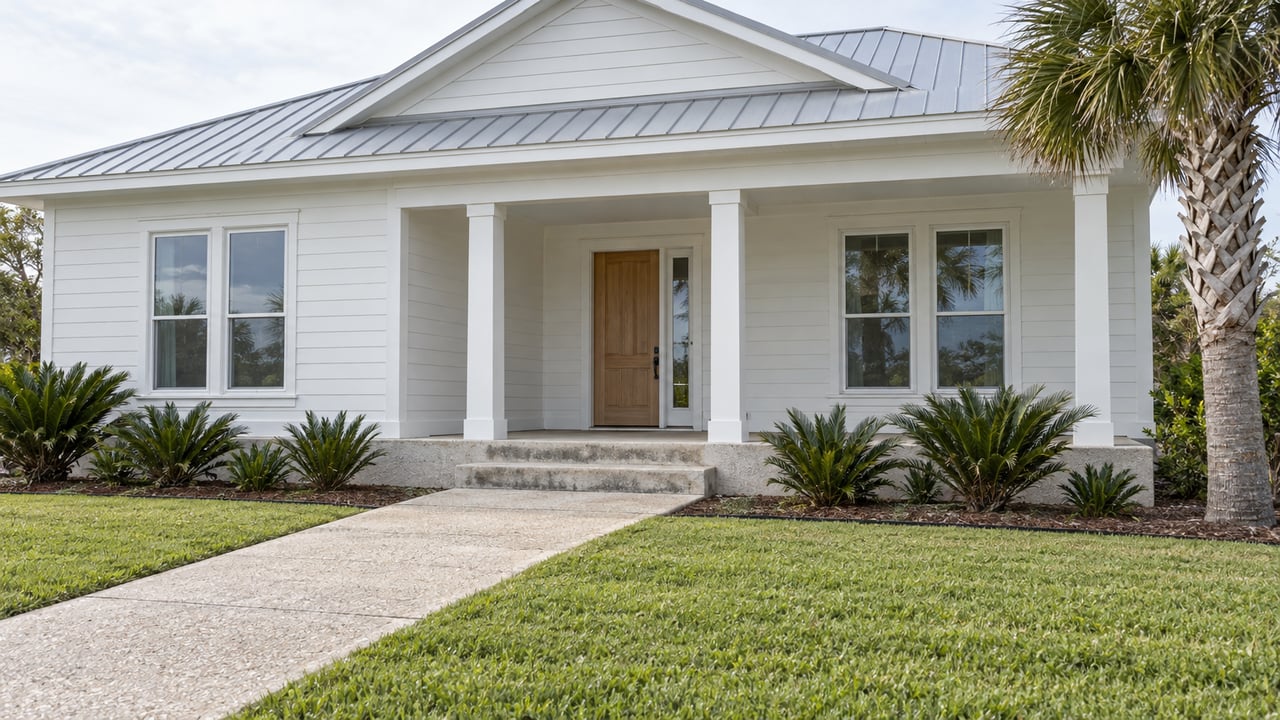
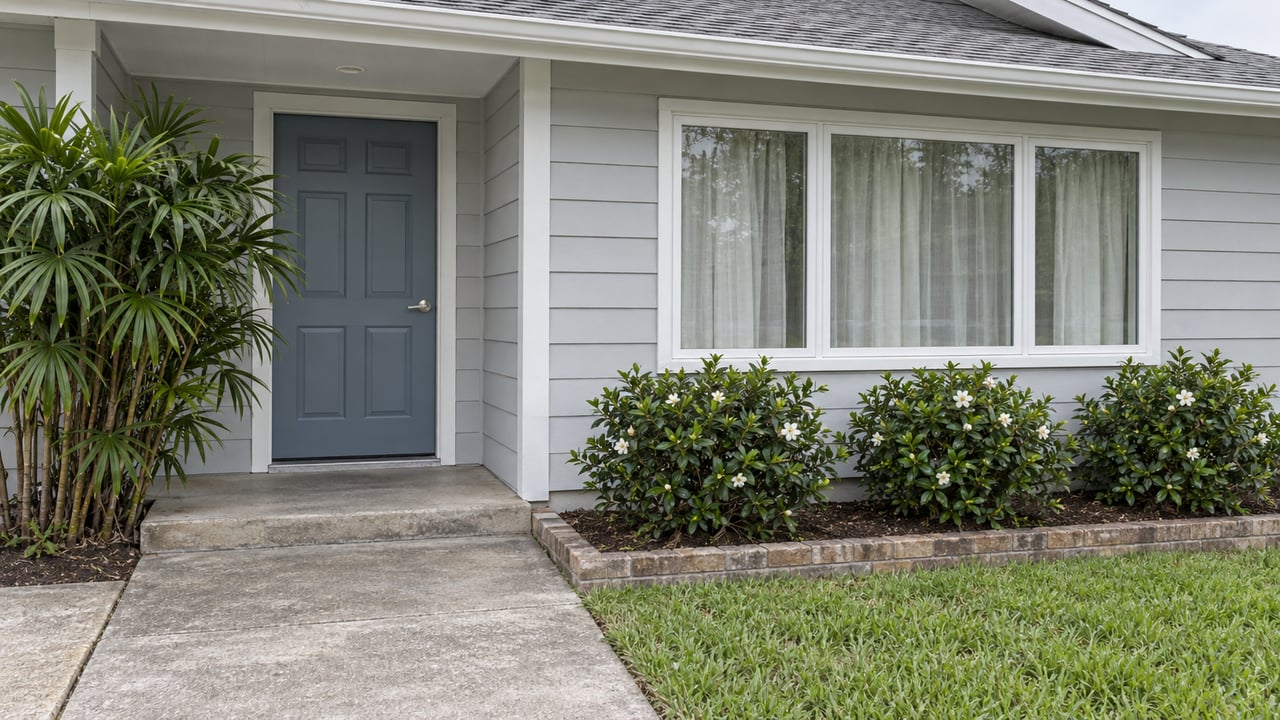
Expect a mix of elevated single‑family beach cottages, low‑rise oceanfront and near‑ocean condos, and older cottages or duplexes that have been updated for seasonal use. Zoning and the neighborhood’s scale keep development modest in height compared with resort corridors. According to Realtor.com, accessed March 2026, recent median listing prices in Crescent Beach hovered in the mid six‑figure range around the $600,000 mark, with neighboring beaches like Vilano and Ponte Vedra trending higher on median list price. Inventory is small and shifts quickly, so plan to use fresh MLS comps and on‑the‑ground advice before you make an offer.
Access and beach realities
Getting there and parking
Crescent Beach runs along A1A on Anastasia Island with several public beach access points and a dedicated public parking and boardwalk area. St. Johns County manages these locations and posts current access details, hours, and amenities. Before you close on a home, verify the nearest access you plan to use through the county’s Beach Access page.
Can you drive on the beach?
Yes, on designated stretches only. St. Johns County operates a beach driving pass system with seasonal hours and fees, and it controls where and when vehicles are allowed. If drive‑on access matters to you or your guests, review the latest rules on the county’s beach driving and access page and confirm the closest ramp to your property.
Short‑term rental rules you must know
If you plan to rent your second home when you are not in town, start with jurisdiction. Crescent Beach addresses can fall within unincorporated St. Johns County or, in nearby areas, within city limits that set their own rules. Do not rely on a mailing address alone. Confirm the property’s exact jurisdiction so you follow the correct standards for registration, permits, and utilities.
County registration basics
In unincorporated St. Johns County, each short‑term vacation rental must be registered and renewed annually. Registration typically includes a local business tax receipt, a sample rental agreement that shows maximum occupancy and vehicle limits, proof of state transient‑lodging licensing if applicable, proof of sales and tourist tax registration or third‑party remittance, a fee, and an affidavit. You can review requirements and applications on the county’s Short‑Term Vacation Rentals page.
Operating standards to plan for
County standards set occupancy limits, parking minimums, solid‑waste requirements, and on‑site postings. The county notes two transient occupants per bedroom or common area with an overall cap, plus a minimum off‑street parking ratio such as one space for every three transient occupants. Owners must post information like owner or manager contact, maximum occupancy, evacuation routes, nearest hospital, and marine‑turtle rules. Complaints route through county hotlines listed under Who Do I Call, so plan for clear guest communication and a reliable 24‑hour contact.
Taxes and HOA or condo layers
Short‑term rentals require state sales and use tax and local tourist development tax collection or documentation if a platform remits on your behalf. The county registration process expects proof of how taxes are collected and remitted. In multi‑family buildings and communities, HOA or condominium documents may restrict or prohibit short‑term rentals even when the county allows them. Always obtain and review recorded HOA or condo rules before assuming rental income is possible. The county outlines these points on its Short‑Term Vacation Rentals page.
Income expectations
Crescent Beach benefits from St. Augustine’s tourism and seasonal events, with stronger demand in summer and over holidays. Occupancy and nightly rates vary by property type, proximity to the beach, and the event calendar. For realistic projections, request recent short‑term rental comps and occupancy or ADR data from a local property manager. The Visit St. Augustine Crescent Beach page is a good starting point to understand the local visitor profile and find service providers.
Flood, wind, and insurance planning
Start with the maps
Crescent Beach sits on a barrier island with low elevations in many spots, so flood due diligence is essential. Use the FEMA Flood Map Service Center to look up the exact address and identify Special Flood Hazard Areas. Pair that with NOAA’s Sea Level Rise Viewer to visualize potential future water‑level scenarios. Begin your research at the FEMA Flood Map Service Center and the NOAA Sea Level Rise Viewer.
Elevation certificates and flood insurance
Ask whether an Elevation Certificate is available for the structure. If the home lies within a FEMA SFHA, lenders for federally regulated mortgages will generally require a flood insurance policy. An insurance agent can estimate National Flood Insurance Program premiums and explain any waiting periods on new policies. Learn more and pull the property’s effective FIRM panel through the FEMA Flood Map Service Center.
Wind, hurricanes, and homeowners insurance
Florida’s homeowners insurance market has seen frequent changes in pricing and carrier availability. Coverage and terms for second homes can differ from primary residences. Before you make an offer, request quotes for property or hazard insurance and flood, and confirm carrier options for non‑primary occupancy. For context on market conditions and state‑backed options, review updates from Citizens Property Insurance.
Coastal construction and maintenance
Many ocean‑area homes use elevated foundations and design features that reduce wave and surge impacts. Ask which code cycle applied at construction and whether renovations were permitted. Desirable details include corrosion‑resistant fasteners, flood‑resilient utility hookups, and adequate freeboard above base flood elevation. For background on coastal construction best practices, see FEMA’s Coastal Construction Manual as summarized here: FEMA Coastal Construction Manual overview.
Ongoing costs to budget
Coastal homes experience more wear from salt air and wind. Plan for roof condition and potential earlier replacement, regular HVAC service or replacement, metal corrosion on railings and hardware, termite inspections, and dune or storm‑protection upkeep. If you intend to rent, add property management fees, turnover cleaning and linens, higher wind or hurricane deductibles, and the cost of installed shutters or rated opening protection.
Your Crescent Beach due‑diligence checklist
Use this step‑by‑step list to move confidently from interest to offer.
Confirm jurisdiction. Determine whether the parcel sits in unincorporated St. Johns County or a nearby city jurisdiction, since rules and utilities can change across short distances.
Map the flood risk. Run the exact address in the FEMA Flood Map Service Center and view future scenarios in the NOAA Sea Level Rise Viewer. Request an Elevation Certificate if available.
If you plan to rent, review county rules. Read the county’s Short‑Term Vacation Rentals page for registration steps, standards, and required postings. Note occupancy and parking ratios.
Verify HOA or condo rules in writing. Obtain recorded documents to confirm whether short‑term rentals are permitted, restricted, or prohibited.
Price insurance early. Get quotes for homeowners and flood coverage, and confirm carrier availability for non‑primary residences. Ask your lender whether flood insurance will be required.
Check utilities and services. On Anastasia Island, sewer versus septic and trash schedules can vary by location. Call the applicable utility departments to confirm details for your parcel.
Inspect for coastal specifics. Hire a coastal‑experienced inspector to evaluate the foundation or piles, elevation relative to base flood elevation, roof age, corrosion, and permit history. Use FEMA coastal guidance as a conversation starter.
Model conservative rental income. Ask a local property manager for recent comps plus occupancy and ADR by season. Budget for vacancies in the off‑season and all operating costs before assuming cash flow.
Verify beach access. Confirm the public access points you will use and any beach driving pass requirements through the county’s Beach Access page. If a listing mentions deeded or private access, request the recorded deed or plat language.
Line up a 24/7 contact. County rules require a local contact for short‑term rentals. Confirm emergency and evacuation protocols for guests and house systems, and keep postings up to date. Reference hotlines listed under Who Do I Call.
What this means for you
If you want a classic beach cottage or low‑rise condo in a quieter setting, Crescent Beach is a strong fit. You will trade big‑resort amenities for a calmer shoreline and easy access along A1A. With a firm handle on rental registration, flood and wind coverage, and the true costs of coastal maintenance, you can enjoy the lifestyle and protect your investment.
A local, systems‑driven team makes all the difference. From pulling current MLS comps to navigating county registration and insurance quotes, you deserve clear guidance at every step. If you are exploring a Crescent Beach second home, connect with The Newcomer Group for neighborhood‑level advice, on‑the‑ground property tours, and a seamless, team‑delivered purchase experience.
FAQs
What makes Crescent Beach different from nearby beaches?
- It is a smaller, lower‑rise, and less commercial beach area with a quieter feel than central St. Augustine Beach or Ponte Vedra, as described by Visit St. Augustine.
Can I drive my vehicle on Crescent Beach?
- Yes, but only on designated stretches and during posted hours. Review seasonal rules, ramp locations, and pass fees on the county’s Beach Access page.
Can I short‑term rent my Crescent Beach home?
- Possibly. In unincorporated St. Johns County you must register the unit annually, follow occupancy and parking standards, post required information, and handle taxes. Check HOA or condo rules too. See the county’s Short‑Term Vacation Rentals page.
Do I need flood insurance for a Crescent Beach property?
- If the home is in a FEMA Special Flood Hazard Area and you finance with a federally regulated lender, flood insurance will generally be required. Start your check at the FEMA Flood Map Service Center.
How seasonal is rental demand in Crescent Beach?
- Demand typically peaks in summer and during St. Augustine events and holidays. Rates and occupancy vary by property type and proximity to the beach. Ask a local property manager for recent comps and seasonal ADR data.