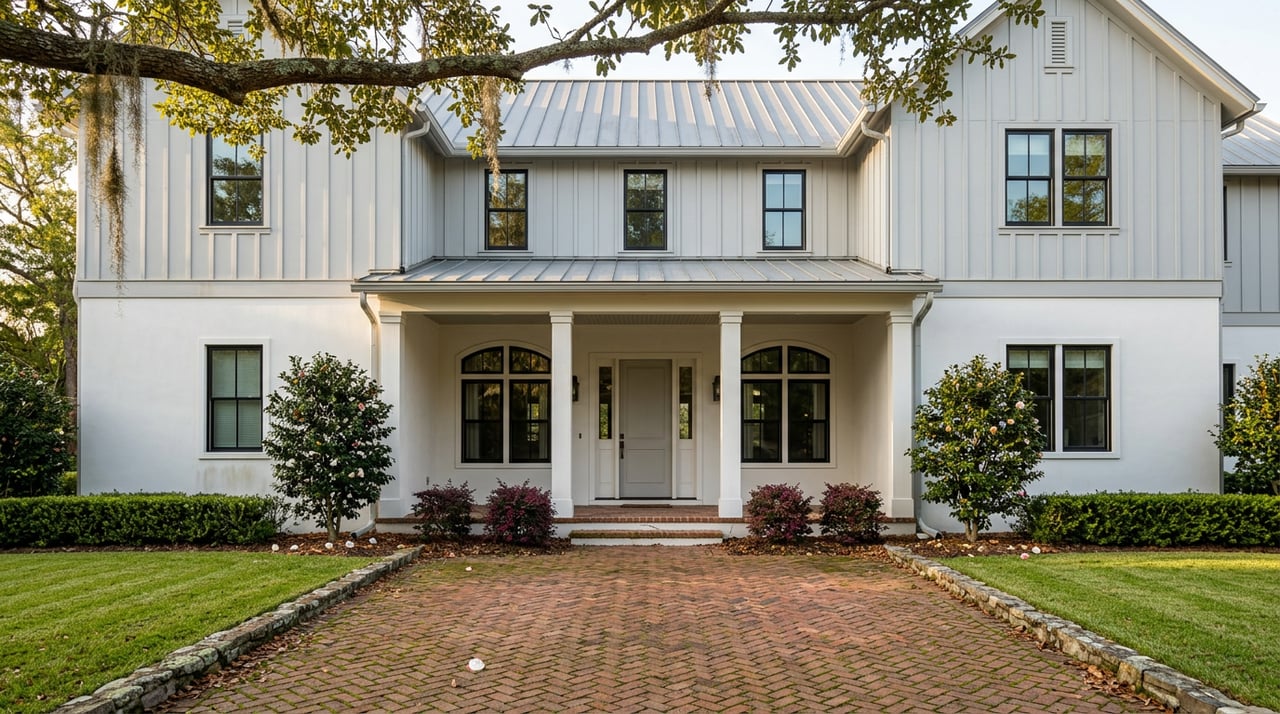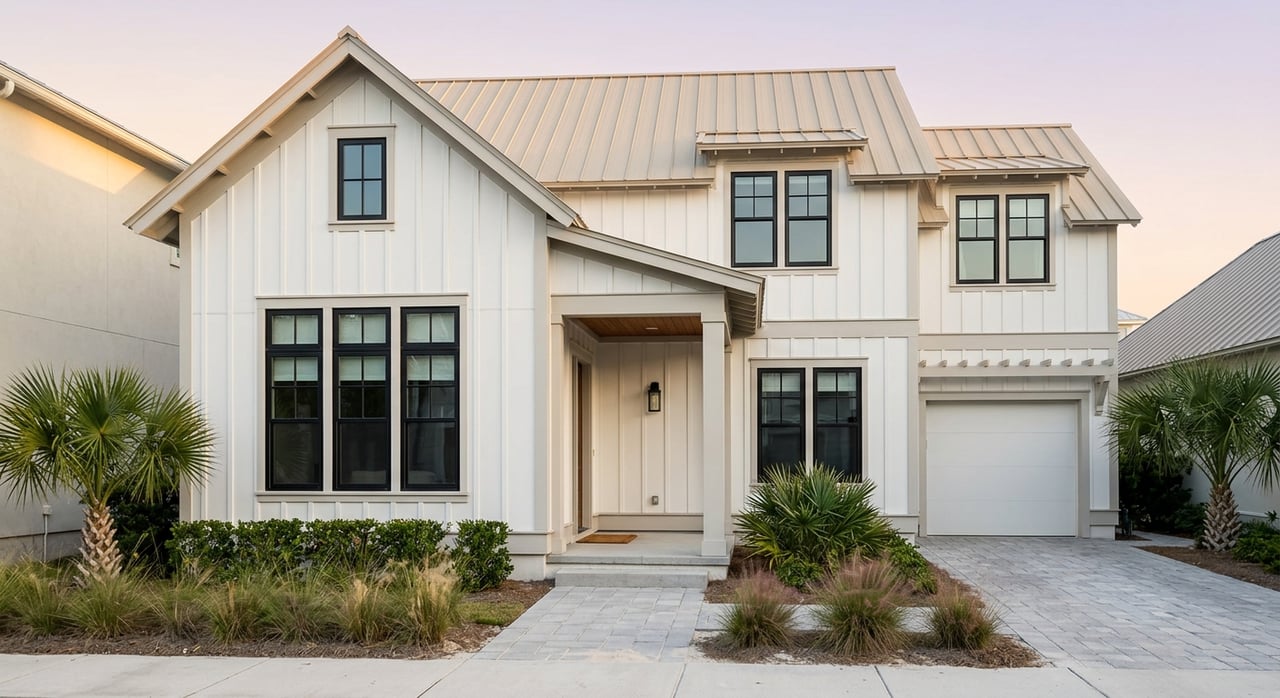
Wondering why one St. Augustine Beach home moves quickly while another sits for weeks? In a small coastal market like this one, timing, property type, condition, and coastal risk can all shape the outcome. If you are thinking about buying or selling here, understanding how the market moves can help you make better decisions with fewer surprises. Let’s dive in.
St. Augustine Beach Market Basics
St. Augustine Beach is a small incorporated coastal city with just 2.5 square miles of land. The city was incorporated in 1959, and the 2025 population estimate is 6,808. That limited footprint helps explain why this market often behaves differently from larger suburban areas.
This is best understood as a constrained lifestyle market. In plain terms, there is only so much land, and many buyers are drawn to the area for its beach access, coastal setting, and low-maintenance living options. That tends to support long-term value, even when the market is not moving at a rapid pace.
Current data suggests the market is closer to balanced than overheated. In March 2026, Realtor.com reported a median listing price of $649,000 in St. Augustine Beach, with 157 active homes, 72 median days on market, and a 97% sale-to-list ratio. That points to a market where sellers still have opportunities, but buyers also have room to compare homes and negotiate.
Broader 32080 data shows a similar pattern. Realtor.com reported a $613,000 median listing price, 495 homes for sale, and 77 days on market, while Redfin showed a $550,000 median sale price and 109 days on market in March 2026. The exact numbers vary by platform, but the overall message is consistent: this is not a rush-at-all-costs market.
What a Balanced Market Means
If you are buying in St. Augustine Beach, a more balanced market can work in your favor. You may have more time to evaluate condition, compare locations, and review important documents before making a decision. In many cases, you may also have room to negotiate on price, credits, or repairs.
If you are selling, balance does not mean weakness. It means pricing and presentation matter more. Buyers are still active, but they are more selective, especially when they see multiple options in the same price range.
That makes strategy important from day one. A home that is well-prepared, accurately priced, and clearly positioned against competing listings usually has a better chance of attracting serious interest. In a market like this, expectations need to match current buyer behavior.
Seasonality Shapes Demand
St. Augustine Beach is influenced by more than just local household moves. Tourism plays a major role in the rhythm of the area, and that can affect how buyers and second-home shoppers engage with the market throughout the year. In 2025, St. Johns County reported 2.791 million visitors, $1.593 billion in direct spending, and 2.37 million room nights.
The biggest draw for many visitors is exactly what you would expect. The county reported that top reasons for visiting included beach and leisure travel, visiting friends and family, and historical sites. That broad appeal helps support activity well beyond the summer season.
Beach activity was strongest in spring and early summer. In 2025, the share of visitors doing beach activities was 62% in January through March, 79% in April through June, 70% in July through September, and 62% in October through December. For buyers and sellers, that suggests spring and early summer often align with stronger beach-oriented demand.
Still, fall and winter are not quiet by default. The same tourism report showed trolley, walking, and ghost tour activity rising to 44% in October through December. That means the area continues to benefit from holiday travel, events, and historic-district tourism even when beach weather is less central.
Best Times to Buy or Sell
For sellers, spring and early summer may offer strong visibility, especially for homes and condos that appeal to beach-focused buyers. This can be an ideal time to launch if your property benefits from outdoor spaces, walkability to the beach, or seasonal second-home interest. More eyes on the market can translate into more showings.
For buyers, the timing depends on your priorities. If you want the widest selection, active tourism periods may bring more choices. If you prefer a steadier pace for comparison and negotiation, other parts of the year may offer a little more breathing room.
The key is not trying to guess the perfect week. It is matching your timing to your goals, your property type, and current inventory. In St. Augustine Beach, seasonality matters, but it is only one part of the picture.
Condos and Homes Move Differently
One of the most important things to understand about St. Augustine Beach real estate is that it is not one single market. Condos and single-family homes often follow different pricing patterns and attract different buyer priorities. Looking at them as one combined category can hide what is really happening.
Realtor.com neighborhood data shows just how wide the spread can be. Condo-focused communities such as St. Augustine Ocean & Racquet Club Condominiums had a median listing price of $395,000, while St. Augustine Beach & Tennis Resort was at $432,000. Detached-home communities like Chautauqua Beach and Seagrove showed median listing prices of $937,000 and $712,000.
The broader 32080 ZIP tells the same story. Redfin reported 197 condos for sale in 32080 at a median listing price of $475,000. That is well below the broader ZIP median listing price reported by Realtor.com, which shows how important condos are to the area’s market structure.
Local MLS-based reporting also reinforces the gap. In April 2025, the average sold price for 32080 single-family homes was reported at $899,600, while condos averaged $597,200. By July 2025, single-family homes averaged $902,100 and condos averaged $465,300.
What Buyers Compare by Property Type
If you are shopping for a single-family home, you are likely weighing factors like lot position, privacy, parking, outdoor space, and renovation quality. In a coastal setting, those details can strongly affect appeal and value. Two homes with similar square footage can perform very differently depending on those features.
If you are considering a condo, your checklist often gets more technical. View, amenities, HOA dues, insurance, building age, reserves, and overall maintenance can all influence both desirability and monthly ownership costs. In this market, that due diligence is not optional.
This is why broad median price headlines only tell part of the story. To understand how the market moves, you need to compare the right properties against the right competition. Condo buyers and detached-home buyers are often shopping in very different lanes.
Coastal Risk Affects Value
In St. Augustine Beach, coastal risk is not an abstract issue. It is part of how buyers evaluate homes, condos, and long-term ownership costs. Flood exposure, insurance availability, and building resilience can all influence pricing and negotiation.
The city identifies special flood hazard areas in AO, AE, and VE zones. In VE zones, wave velocity can create added structural concerns, and certain building requirements may apply below base flood elevation. Buyers who understand these details are often better prepared to compare homes beyond surface-level features.
There is also a practical insurance angle. The city participates in the National Flood Insurance Program Community Rating System as a Class 8 community, which the city says gives flood insurance policyholders a 10% premium reduction. While that can be helpful, it does not remove the need to review flood-related costs property by property.
Emergency planning matters too. St. Johns County evacuation guidance routes St. Augustine Beach north to SR-312 and then west during evacuations. For some buyers, understanding access and evacuation patterns is simply part of making an informed coastal purchase.
Condo Rules Matter More Than Ever
For condo buyers and sellers, Florida regulations are now a major part of the conversation. State law requires milestone inspections for many residential condo and co-op buildings that are three stories or more, with earlier timelines possible in coastal and saltwater-adjacent situations. That makes building documentation a key part of any serious purchase review.
The Florida Department of Business and Professional Regulation says milestone inspection reports and reserve studies must be part of the association record and provided to potential purchasers. It also states that milestone-related repairs generally must begin within 365 days of the report. These rules have added more transparency, but they have also increased the importance of reading association documents carefully.
For buyers, this means condo pricing is not just about beach access or ocean views. It can also reflect whether a building is well reserved, whether inspection items are current, and whether insurance and maintenance costs are manageable. Two condos in similar locations may carry very different ownership profiles.
For sellers, strong documentation can make a real difference. If your association’s records are organized and current, that can help reduce buyer hesitation. In a balanced market, clarity builds confidence.
What Moves a Listing Faster
In St. Augustine Beach, homes and condos tend to move faster when the full package makes sense. That usually includes realistic pricing, clean presentation, strong condition, and fewer unanswered questions about risk or upkeep. Buyers are often willing to act, but they want to feel confident in what they are buying.
For single-family homes, updates, curb appeal, parking, and lot use can affect how quickly buyers engage. For condos, the conversation often extends further into monthly costs, association health, reserve funding, and inspection status. The more friction a buyer sees, the more negotiation pressure tends to follow.
That is why market movement here is rarely about one number alone. It is a combination of price, timing, property type, and due diligence. Understanding those moving parts can help you make smarter choices whether you are entering the market as a buyer or a seller.
If you want guidance tailored to your goals in St. Augustine Beach, the team at The Newcomer Group brings local insight, clear strategy, and a client-first approach to every step of the process.
FAQs
How is the St. Augustine Beach real estate market moving right now?
- Current market data points to a balanced market, with a March 2026 median listing price of $649,000, 157 active homes, 72 median days on market, and a 97% sale-to-list ratio in St. Augustine Beach.
What is the difference between condos and single-family homes in St. Augustine Beach?
- Condos and single-family homes often operate as separate submarkets, with condos generally listed at lower price points and buyers focusing more on HOA dues, reserves, insurance, and building condition.
When is the best time to sell a home in St. Augustine Beach?
- Spring and early summer often align with stronger beach-oriented demand, though fall and winter can still bring solid activity due to tourism, events, and holiday travel.
What should buyers look at besides price in St. Augustine Beach?
- Buyers should also review flood zone exposure, insurance costs, property condition, condo documents when applicable, and how the home compares with similar nearby listings.
Why do some St. Augustine Beach listings take longer to sell?
- Time on market can be affected by pricing, condition, property type, HOA health for condos, and how buyers perceive coastal risk and ownership costs.