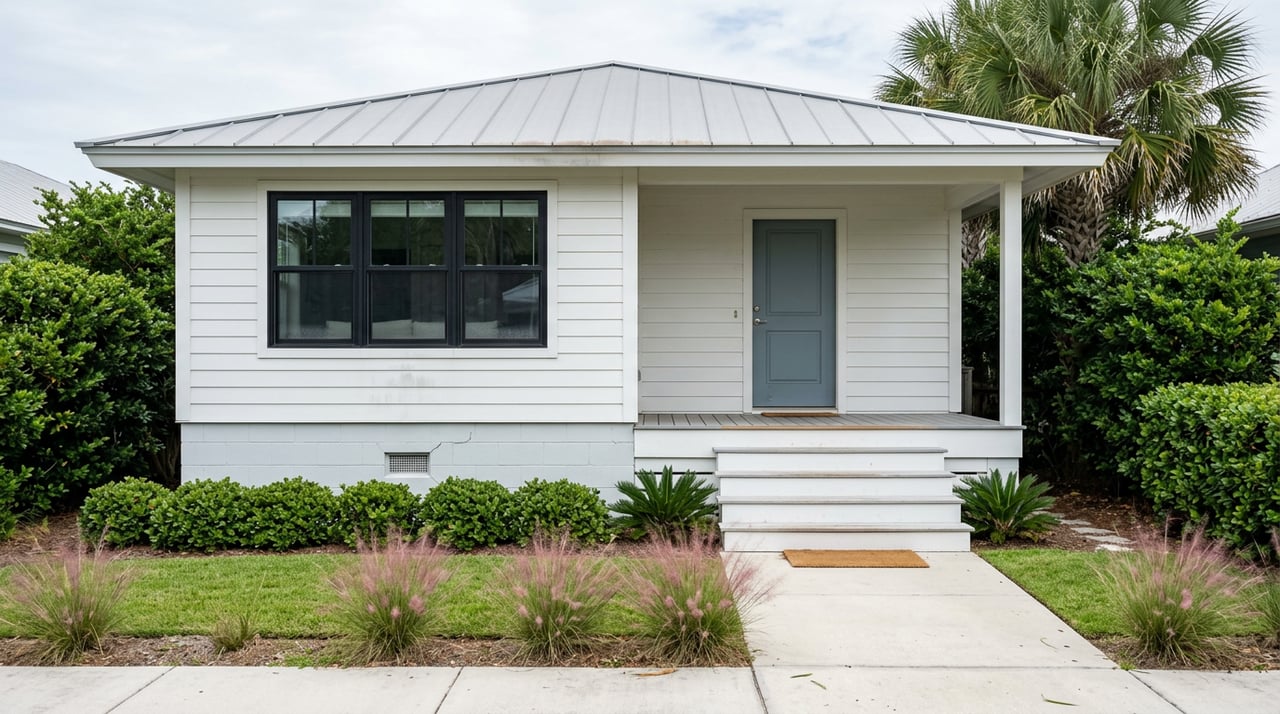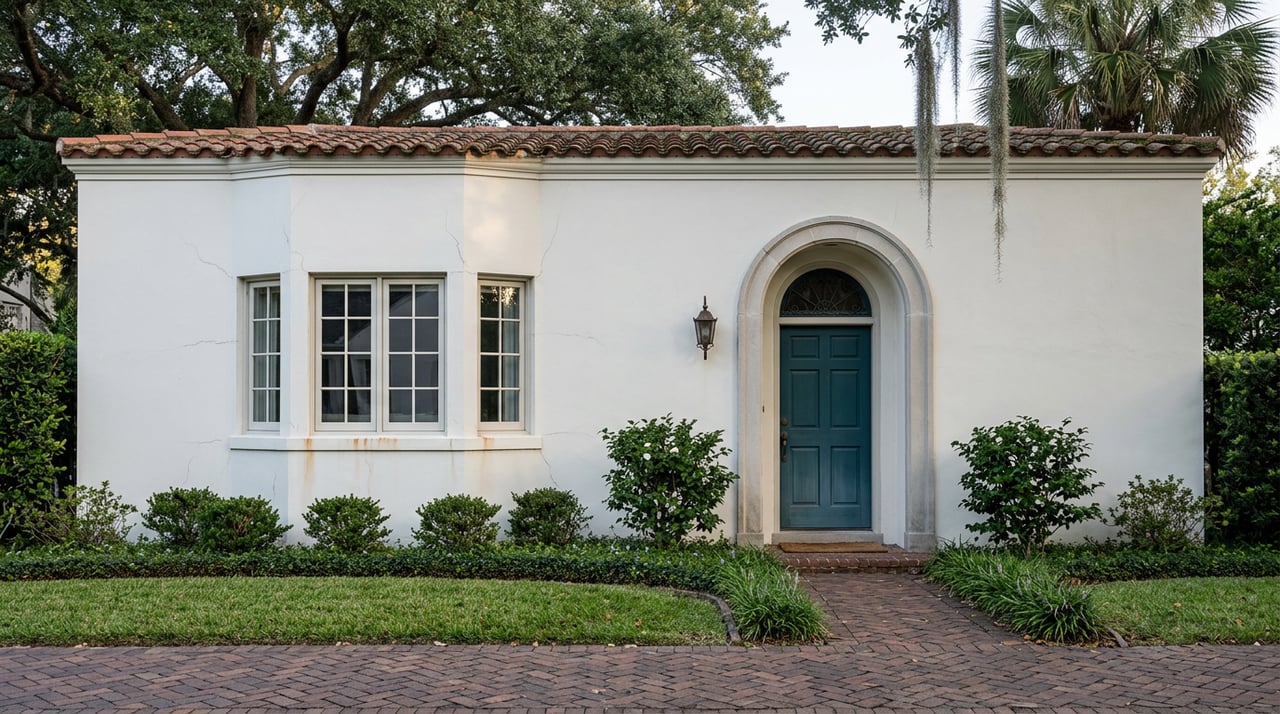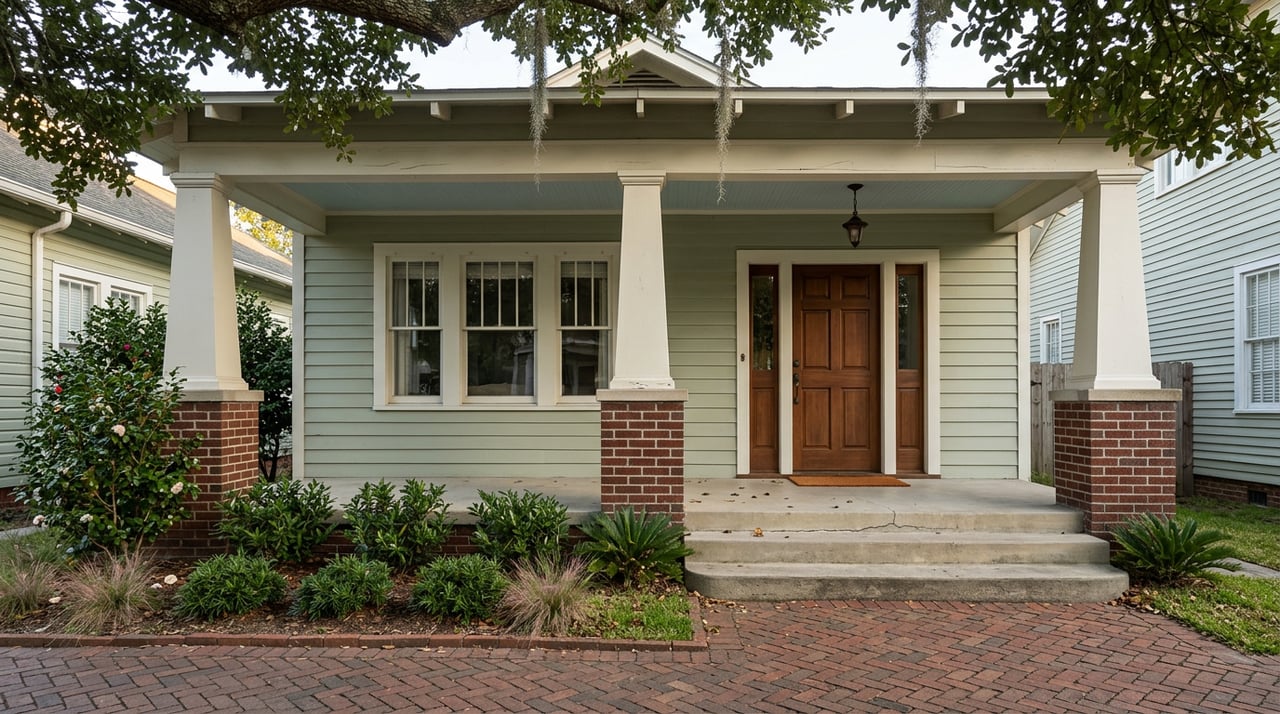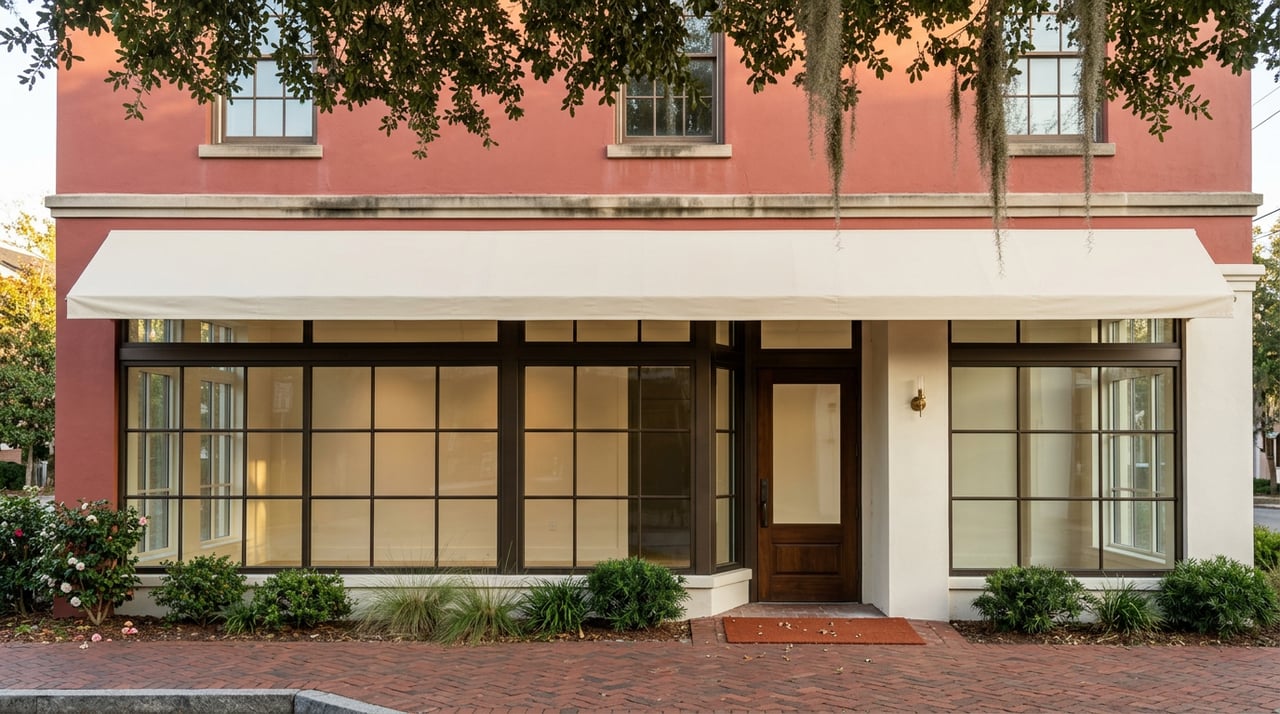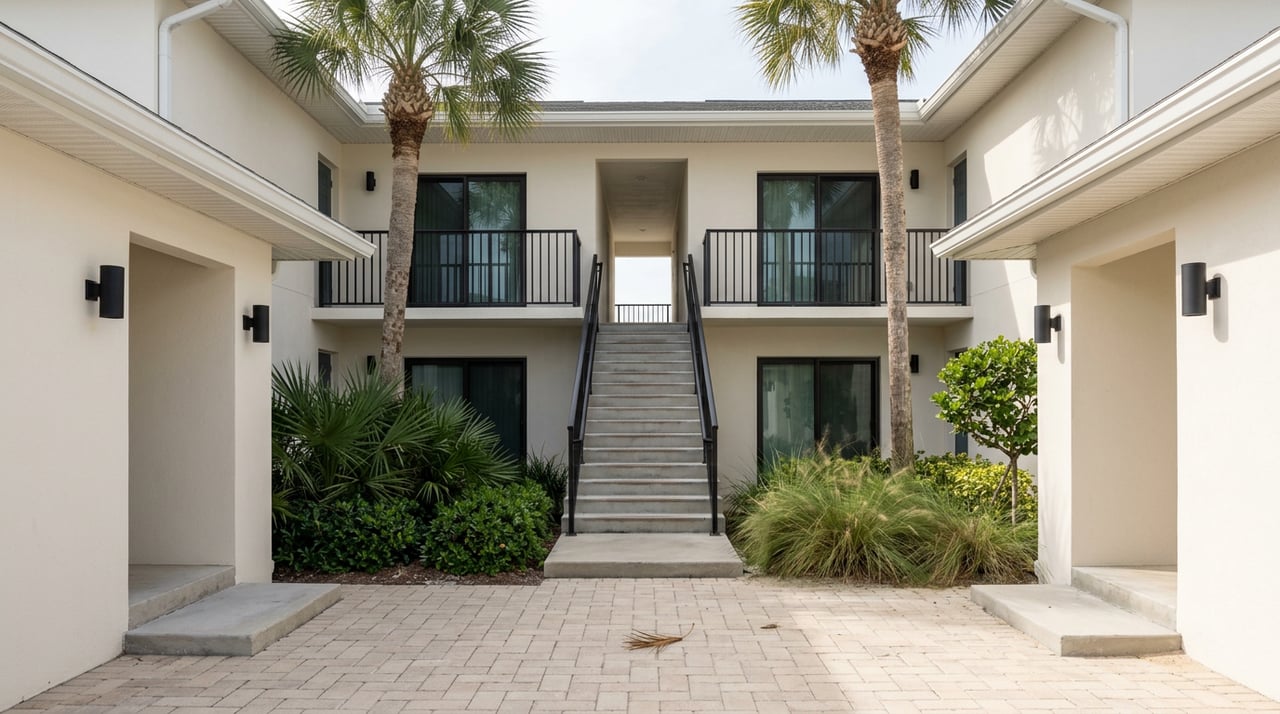
Trying to decide between a condo and a single-family home in St. Augustine Beach? You are not alone. On Anastasia Island, lifestyle perks meet coastal realities like flood zones, insurance, and HOA budgets, so the right fit depends on how you plan to live and what you want to spend long term. In this guide, you will see how costs, rules, and daily living compare so you can choose with confidence. Let’s dive in.
Quick market snapshot
Prices on St. Augustine Beach trend higher than many inland areas. Recent snapshots show a median home price in the high $500Ks to mid $600Ks. Many condo communities along the beach corridor often trade in the low to mid $300Ks to $400Ks, while single-family homes, especially close to the ocean or Intracoastal, commonly list in the $600K and up range. Exact numbers shift month to month, so use a current MLS update when you are ready to shop.
Coastal risk is a factor here. Flood and wind exposure influence insurance, lending, and long-term costs. Expect to review flood maps, elevation, and building details for any property you consider.
Condo vs single-family: cost differences that matter
Monthly dues vs maintenance
Condos
- Expect monthly HOA dues that often cover exterior building insurance under a master policy, common area maintenance, grounds and pool care, trash, water and sewer, and sometimes cable or internet.
- Local resort-style buildings can run in the roughly 500 to 600-plus dollars per month range, depending on amenities and recent insurance renewals.
- Pros: predictable exterior upkeep and a true lock-and-leave lifestyle. Cons: fixed monthly cost that can rise if association insurance or reserves increase.
Single-family homes
- You cover everything exterior: roof, siding, landscaping, driveway, pool, and any coastal protection work. There is no HOA master policy to share those costs.
- Pros: control over your property and fewer common rules. Cons: variable maintenance costs and more hands-on management.
Insurance basics on the beach
Condos
- The association carries a master policy. You buy an HO-6 policy for interior finishes, personal property, liability, and loss assessment coverage. Florida’s Condominium Act outlines association insurance duties and reserve requirements, so always request the bylaws, current budget, reserve study, and the insurance certificate before you submit an offer. Review the statute at the state site for context on association responsibility. Florida Condominium Act, Chapter 718
- Ask your insurance broker about wind or hurricane deductibles and the right loss assessment coverage. A quick primer on HO-6 policies can help you set expectations. Florida condo HO-6 overview
Single-family homes
- You typically carry a homeowners policy plus flood insurance if the home sits in a FEMA Special Flood Hazard Area. Coastal properties often have separate wind and flood deductibles, and premiums vary with elevation, roof age, and mitigation features.
- Always run quotes early. Insurability and premiums can be the swing factor between two otherwise similar homes.
Flood zones and elevation
- Use the FEMA Flood Map Service Center to confirm the property’s flood zone by address. If the parcel is in A, AE, or V zones, lenders usually require flood insurance. FEMA Flood Map Service Center
- Check local details like Base Flood Elevation on the county’s flood viewer, and request an Elevation Certificate if needed. St. Johns County Flood Viewer
Property taxes and utilities
- Annual property taxes vary by taxing districts in St. Johns County. To estimate, reference the county property appraiser’s resources for parcel-level details. St. Johns County Property Appraiser
- Utilities can differ by building. Some condo dues include water, sewer, trash, and cable or internet. For single-family homes, budget separately for each.
Lifestyle trade-offs in St. Augustine Beach
Privacy and space
- Condos
- You share walls and common areas, which means a more social environment and less private outdoor space. You often gain gated access, on-site maintenance, and amenities like pools and courts.
- Single-family homes
- You get more separation, a yard, private parking, and room for storage or a workshop. You also take on the full scope of exterior upkeep.
Walkability and daily convenience
- Condos close to A1A and the pier area tend to offer the easiest walk to restaurants and beach access. Many blocks fall in the “somewhat walkable” range, with the most walkable streets concentrated near the main corridor. A1A Beach Blvd walkability snapshot
- Single-family homes that sit inland on the island are often more car dependent. The trade-off is more space and privacy. Both options are a quick ride to Anastasia State Park, the pier, and the historic district.
Outdoor living and storage
- If you value a yard, a garage, and space for gear or a boat, single-family usually wins. Many condos still offer balconies and community green space, but private storage is more limited.
Financing and rules that can change your answer
Condo underwriting requirements
- Many lenders require project-level approval for condos. FHA, VA, Fannie Mae, and Freddie Mac have their own review standards. Before you fall in love with a unit, ask your lender whether the community is eligible and what documentation the association will need to provide.
Short-term rentals: what you must know
- St. Johns County requires registration and compliance for short-term rentals. You need an annual registration, a local business tax receipt, state lodging licensing, and tax compliance, and you must follow occupancy, parking, noise, and waste rules. Maximum transient occupancy is two people per sleeping room, with a 10-person cap. Always check the condominium or HOA rules too, since many communities restrict or ban short-term rentals.
- County overview and registration: Short-Term Vacation Rentals, St. Johns County
- Ordinance text: ORD2021-23
Flood zones, permits, and inspections
- If the property is in a Special Flood Hazard Area, expect a lender flood-insurance requirement and consider ordering an Elevation Certificate. Use FEMA and the county flood viewer to confirm the exact zone and elevation. Construction, seawall work, and elevation changes are subject to local coastal permitting.
Which fits you? Real-life scenarios
Retiree or move-down buyer
- A condo near the beach corridor often delivers low-maintenance living, on-site services, and security. Put emphasis on elevator access if needed, HOA fee level and what it covers, association reserves, and a clear read on both property and flood insurance costs. Even upper-floor units need flood-zone review for lender and insurance requirements.
Family needing space and storage
- A single-family home usually offers a yard, garage, and easier parking. Look for homes on slightly higher ground inland on the island if elevation is a priority. Confirm school attendance zones and commuting patterns, and budget for roof, exterior, and yard care over time.
Second-home owner or investor
- Condos near the pier or beachfront can work well if the association allows short-term rentals. Single-family homes can offer more independence in some neighborhoods, but both property types must follow the county’s registration and occupancy rules. Validate HOA rental policies, parking limits, and tax compliance requirements before you model revenue.
Your decision checklist
Use this quick list for any property you are comparing:
- Flood risk
- Confirm the exact FEMA flood zone and Base Flood Elevation by address, and ask for an Elevation Certificate if the home is in A, AE, or V zones. FEMA map search and county flood viewer
- Price and comps
- Compare recent median prices for condos and single-family homes in the immediate area. Ask your agent for a current MLS snapshot to capture seasonality.
- HOA and building health for condos
- Record monthly dues and what they include. Request the declaration, bylaws, budget, latest reserve study, insurance certificate, and any special assessment history. Review rental rules if you plan to host guests.
- Condition and maintenance for houses
- Note roof age, exterior condition, any seawall or dock elements, HVAC status, and any prior water intrusion reports. Get contractor estimates for near-term work.
- Insurance quotes
- Obtain at least two local quotes. For condos, confirm HO-6 coverage needs and loss assessment limits. For homes, include separate flood quotes if required or recommended.
- Financing constraints
- For condos, ask your lender if the project is eligible and what documentation is needed. For any property, secure pre-approval to understand payment and cash-to-close.
- Short-term rental viability
- If hosting is part of your plan, confirm association rental rules and complete the county steps before booking guests. Start with the county’s STR overview. St. Johns County STR
- Property taxes
- Review recent tax bills and exemptions for the parcel. Use the county property appraiser site for reference. SJC Property Appraiser
Ready for local guidance?
Before you make an offer, get 1) the condo master policy and current budget if buying a condo, 2) a flood-zone check at FEMA and the county flood viewer, 3) two or three local insurance quotes including flood, and 4) lender confirmation of any condo project approval needs. If you want a clear side-by-side for your short list, connect with our local team. The beach is our backyard, and helping you match lifestyle with long-term value is what we do every day. Start a conversation with The Newcomer Group.
FAQs
What do condo HOA dues in St. Augustine Beach usually cover?
- Many associations include exterior building insurance under a master policy, common area and pool maintenance, grounds care, water, sewer, trash, and sometimes cable or internet, but always review the community’s current budget and insurance certificate.
How do flood zones affect insurance costs in St. Augustine Beach?
- If a property is in a FEMA Special Flood Hazard Area, lenders typically require flood insurance, and premiums vary with elevation, construction, and mitigation features; verify the exact zone using FEMA maps and the county flood viewer.
Are short-term rentals allowed in St. Augustine Beach condos and homes?
- St. Johns County allows short-term rentals with required registration, licensing, and tax compliance, and caps occupancy at two people per sleeping room up to 10 total; check your HOA or condo documents since many communities restrict or prohibit rentals.
What is different about financing a condo versus a house here?
- Many lenders require condo project approval and association documentation before underwriting; confirm eligibility with your lender early so you know whether FHA, VA, or conventional financing will work in that building.
Which is better for part-time living: a condo or a house in St. Augustine Beach?
- Condos often deliver a lock-and-leave setup with fewer exterior tasks, while houses offer privacy, storage, and outdoor space; your best fit depends on how often you will be here, how much maintenance you want, and what you plan to spend over time.