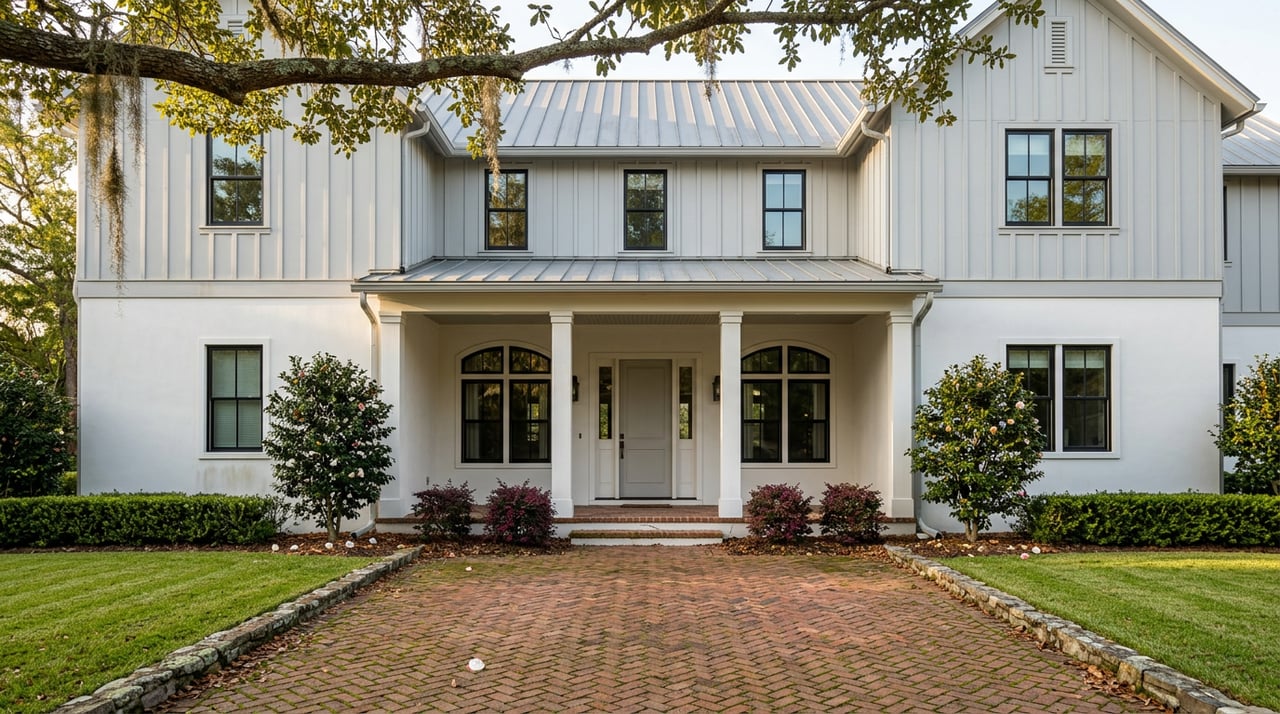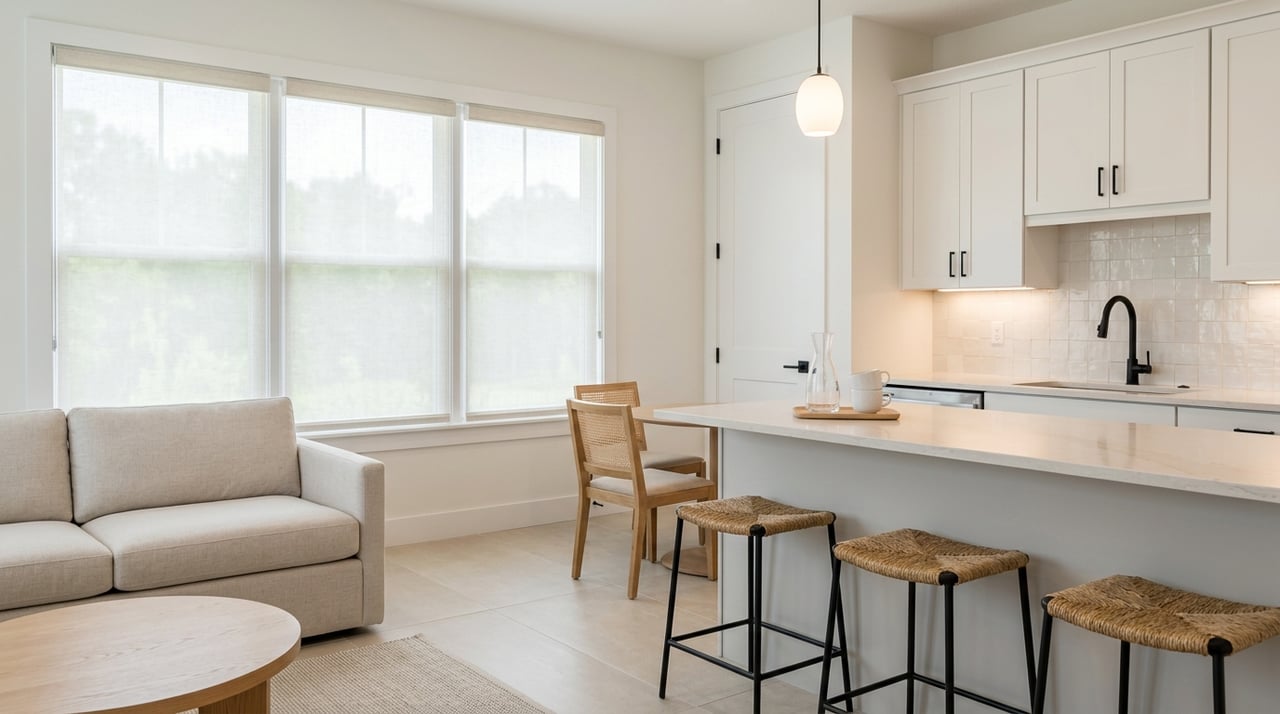
Thinking about swapping a larger beach-area home for something simpler and easier to manage? If you want to stay close to the St. Augustine lifestyle while lowering your housing costs and day-to-day upkeep, St. Augustine Shores and St. Augustine South deserve a close look. This guide will help you compare the two areas, understand your housing options, and build a practical downsizing plan with fewer surprises along the way. Let’s dive in.
Why Shores and South stand out
For many downsizers, the biggest question is not whether to move, but how to simplify without giving up the lifestyle you enjoy. That is where this corridor can make sense. St. Augustine Shores and St. Augustine South offer established communities south of the beach market, often at a much lower price point.
The price gap is meaningful. According to Census Reporter data for St. Augustine Beach, the median owner-occupied housing value in St. Augustine Beach is $634,400, compared with $339,300 in St. Augustine Shores and $347,400 in St. Augustine South. That difference can create room to unlock equity, reduce monthly carrying costs, or both.
These areas also align well with a move-down lifestyle. St. Augustine Beach has a median age of 55.7 and a 74.3% owner-occupied rate. St. Augustine Shores has a median age of 52.8 and a 76.3% owner-occupied rate, while St. Augustine South has a 94.3% owner-occupied rate and 26.9% of residents are 65 or older. In short, these are well-established owner-heavy communities that often appeal to buyers looking for stability and long-term livability.
Compare the community feel
Before you focus on square footage or finishes, it helps to understand how these two communities function. The ownership structure, amenities, and ongoing responsibilities can shape your experience just as much as the home itself.
St. Augustine Shores at a glance
St. Augustine Shores is a long-established planned community with more than 3,500 housing units and more than 9,000 residents. Its history includes a mix of single-family homes, multifamily housing, churches, schools, and commercial uses, which gives the area a broad residential footprint.
The community also offers amenities that matter to many downsizers, including a 500-foot pier, pool, golf club, and walking and bicycle paths. For some buyers, that built-in structure supports a more maintenance-light lifestyle and adds convenient recreation close to home.
Just as important, monthly HOA dues in the Shores cover items such as street lighting, landscaping, the fishing pier, paths, pool and bath houses, tennis and pickleball courts, trash and recycling, insurance, reserve funding, and office operations. That does not make it the right fit for everyone, but it does mean the fee supports services many downsizers actively want.
St. Augustine South at a glance
St. Augustine South offers a different setup. The St. Augustine South Improvement Association states that it is a volunteer resident organization, not a homeowners association, and it does not set or enforce rules and regulations.
Its amenities include a clubhouse at 709 Royal Road, two boat ramps, and waterfront parks and boardwalks along Shore Drive. If you want neighborhood character and water access without a traditional HOA structure, South may be worth a closer look.
Choose the right home type
Downsizing is not only about buying less space. It is about choosing the right balance of maintenance, autonomy, and ongoing costs for your next chapter.
Condos for low-maintenance living
Condos are often the most hands-off option for exterior maintenance. If your goal is to simplify chores, reduce yard work, and keep daily upkeep to a minimum, a condo can be an appealing solution.
That said, condo due diligence in Florida matters more than ever. The Florida Department of Business and Professional Regulation says residential condo and cooperative buildings with three or more habitable stories must complete milestone inspections at 30 years of age, or 25 years in some cases, and structural integrity reserve studies every 10 years. It also states that for budgets adopted on or after January 1, 2025, associations may not waive SIRS reserves.
If you are considering a condo, ask for:
- The latest milestone inspection status
- The most recent reserve study
- Current budget information
- Any special assessment history
- Insurance details tied to the association
When two properties seem similar, stronger association finances can make one a safer long-term choice.
Villas or attached homes for balance
A villa or attached home can offer a middle ground between condo living and a detached house. In many cases, you may get less exterior maintenance than a traditional single-family home while keeping a bit more privacy or layout flexibility.
In the Shores, that discussion fits the local housing mix. The community’s planning history and community newsletter materials reflect a mix of single-family and multifamily development. Still, the label alone is not enough. You will want to confirm whether a property is fee simple, condo ownership, or HOA-managed, because the ownership structure affects costs and responsibilities.
Smaller single-family homes for control
A smaller detached home can work well if you still want full control over your property. This option may suit you if you want your own yard, more separation from neighbors, or fewer shared financial obligations.
The tradeoff is maintenance. In the Shores, the HOA helps support many common-area services, while in South the experience is different because the community organization is not an HOA. That distinction can shape everything from budgeting to how much upkeep falls directly on you.
Build a valuation-first downsizing plan
A smart downsizing move usually starts with your current home, not the next one. If you are selling in or near a higher-priced coastal area, your existing equity may open up more choices in the Shores and South corridor.
The local price spread supports that strategy. In the broader county, Realtor.com described St. Johns County as a balanced market in February 2026, with 4,842 homes for sale, a median home price of $524,900, and a median of 58 days on market, as cited in the same Census Reporter profile. That kind of market context can influence both your sale timing and your buying power.
A practical starting checklist looks like this:
- Estimate your current home’s likely sale value.
- Define your target monthly housing budget.
- Decide how much maintenance you want to keep.
- Compare condo, attached, and detached options.
- Reserve room in your budget for insurance, dues, and repairs.
This approach keeps the move focused on outcomes, not just listings.
Declutter before you tour homes
One of the most common downsizing mistakes is shopping before you know how much you are truly bringing with you. If you are moving from a long-term home, your furniture, storage habits, and sentimental items may not fit your next space the way you expect.
Before you tour seriously, sort your belongings into four groups:
- Keep
- Sell
- Donate
- Discard
This step helps you choose the right size home with more confidence. It also makes it easier to tell whether you really need a guest room, extra garage storage, or a larger floor plan.
Check flood exposure early
In coastal Florida, flood review should happen early, not late in the process. That does not mean you should be alarmed. It means you should verify facts before you commit.
St. Johns County’s flood guidance brochure encourages residents to use the county flood-zone viewer and notes that flood damage is not covered by most standard homeowners insurance policies. The brochure also explains that National Flood Insurance Program policies generally have a 30-day waiting period.
As you compare homes, make sure you:
- Verify the property’s flood zone
- Confirm current insurance requirements
- Budget for potential premiums
- Review any association-related insurance obligations
That is especially important if you are choosing between similar homes in different settings or ownership structures.
Match your next home to your next season
A successful downsizing move is not about giving something up. It is about choosing a home that fits the way you want to live now. For some buyers, that means condo simplicity. For others, it means a villa-style compromise or a smaller detached home with more independence.
St. Augustine Shores and St. Augustine South both offer strong reasons to be part of that conversation, but they are not interchangeable. Shores offers a more structured, HOA-supported environment with amenities and pooled upkeep. South offers a more flexible setup with waterfront access, parks, boardwalks, and a volunteer community association rather than a traditional HOA.
If you are weighing a move in this part of St. Johns County, the clearest path is to compare lifestyle, maintenance, and total monthly cost together. That is where local guidance can make the process much easier. When you are ready to explore your options, connect with The Newcomer Group for neighborhood-level insight and a plan built around your goals.
FAQs
What makes St. Augustine Shores appealing for downsizers?
- St. Augustine Shores offers established housing, community amenities, and HOA-supported services that can help reduce some day-to-day maintenance responsibilities.
How is St. Augustine South different from St. Augustine Shores?
- St. Augustine South has a volunteer resident organization rather than a traditional HOA, and it offers amenities such as boat ramps, waterfront parks, boardwalks, and a clubhouse.
Are condos in St. Johns County a good downsizing option?
- Condos can be a strong low-maintenance choice, but you should carefully review inspection status, reserve studies, budgets, and any special assessment history before buying.
Why should downsizers check flood zones in St. Augustine-area communities?
- Flood zone details can affect insurance costs and planning, and standard homeowners policies usually do not cover flood damage.
Is downsizing from St. Augustine Beach to Shores or South financially practical?
- It can be, because the median owner-occupied home values in St. Augustine Shores and St. Augustine South are substantially lower than in St. Augustine Beach, which may help you reduce costs or unlock equity.